I decided to study art therapy as I wanted to help people express themselves who find it hard to verbalise what they are thinking and feeling. I have empathy for people who might struggle to communicate verbally having learning difficulties myself. I have always used art as a way of expressing myself and it has come naturally to me. Art has healing benefits which I would like to explore more. I enjoy collecting research through real life experiential learning, visiting exhibitions, exploring different cultures, photography, my own art making, reading about new theory and by using my intuition to guide the way. I will be exploring many different ideas and theories during my time at the university, I am particularly interested in Jung’s ideas on synchronicity, symbolism, the archetypes and the collective unconscious.
I have enjoyed the process of blogging and exploring different research methods as a form of learning over the past few months. I have learnt to filter information faster when reading articles and books. I have had the chance to combine theory and experiential learning. I have looked at articles, books, exhibitions, produced art, started a placement in a school, been to therapy, taken photos, watched documentaries and attended workshops. All have been useful sources for different reasons.
I am an intuitive person and I like exploring the unconscious and making it conscious and seeing where it leads, like a sign system unfolding. The project has given me time to develop my process and reflect on what is important to me. I have learnt a lot about myself in the past term and feel like I still have a lot more to explore. The project has given me a structure to work with, being dyslexic I often find it hard to do this.
I enjoyed the art making exercises, I no longer had to be concerned with how it looked to other people as I often feel judged when producing work, in art therapy it feels non judgemental and non competitive. The process has freed me up to explore many different mediums. I have used pastels, pens, watercolour, acrylic, found materials, photography etc. I am now much more experimental and playful in my approach to art and I feel more of a connection to it emotionally.
A combination of all my different learning methods has informed my research. The methods have been a mixture of objective and subjective content. My research has been quite broad as the subject of art therapy is still new to me. I look forward to continuing with my research.
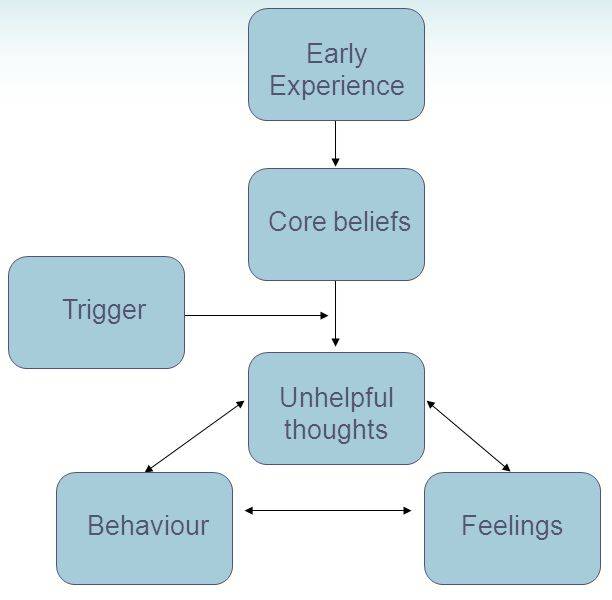
I have been doing Cognitive Behavioural Therapy (CBT) alongside my study as well as before the course started. This was for an anxiety disorder I have. I found it insightful to experience a goal orientated therapy which is quite different to psychodynamics. It has been beneficial learning about the different techniques such as the exposure technique. I made a recording for a situation which I find particularly hard (giving presentations) my cognitive behavioural therapist asked me to record the thought process (like a script) in the lead up to giving a presentation, including all my feelings, anxious thoughts, the sounds I would hear etc. to make it seem as real as possible. It is thought that by listening to this everyday over-time it will become less of an anxiety triggering situation.
Another exercise which I did each week was to write down difficult situations I faced, along with the feelings and intensity of those feelings. This helped me to recognise when my emotions were being triggered, to become more conscious overall and to link my unconscious core beliefs and physical reactions. I was also asked to read a list of statements each day with the aim to shift my thinking, for example, “am I focusing on my weaknesses and forgetting my strengths?” He also taught me to switch my thinking to focus externally on the situation, instead of internally and to seperate myself from other peoples problems, taking a step back. The skills he has taught me about creating boundaries help me to remain level headed in difficult situations. I have noticed a dramatic decrease in my anxiety level since starting CBT.
“The working process is one of discovery and it is worth remembering that the word discovery implies an uncovering of that which is hidden.”
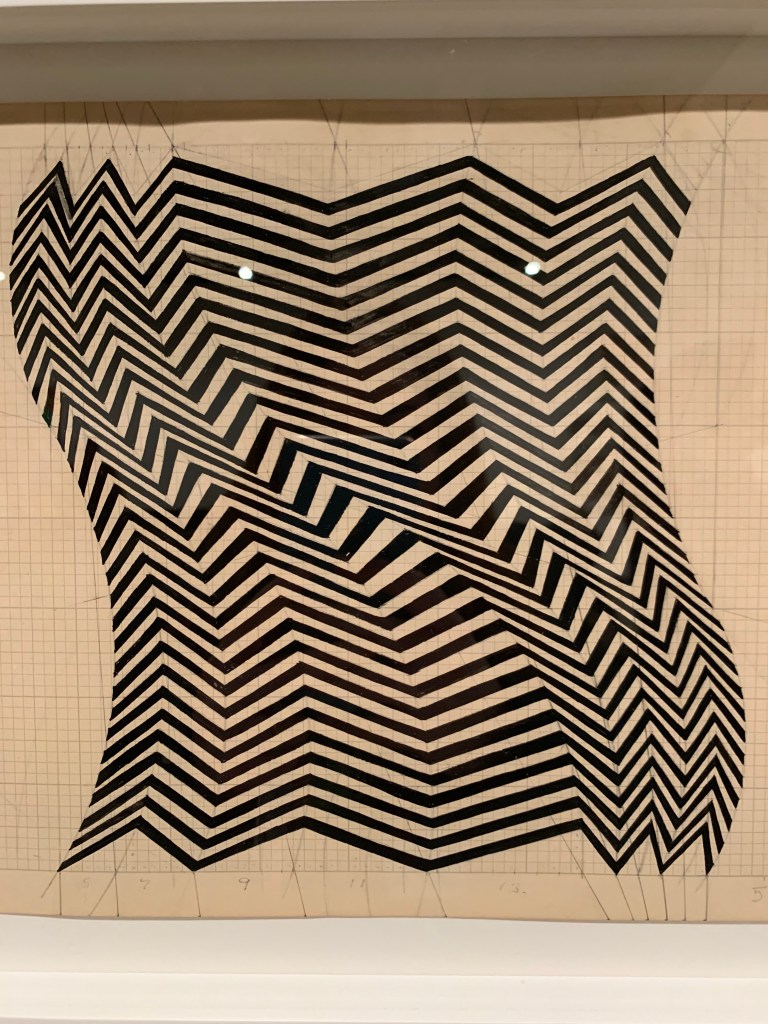
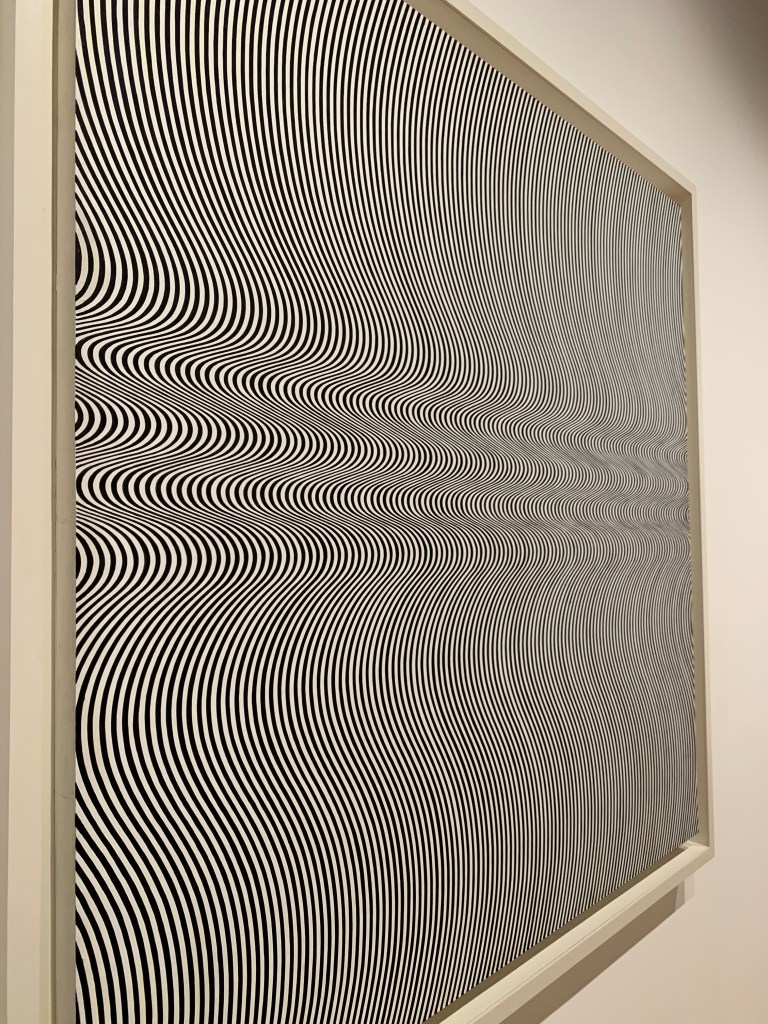
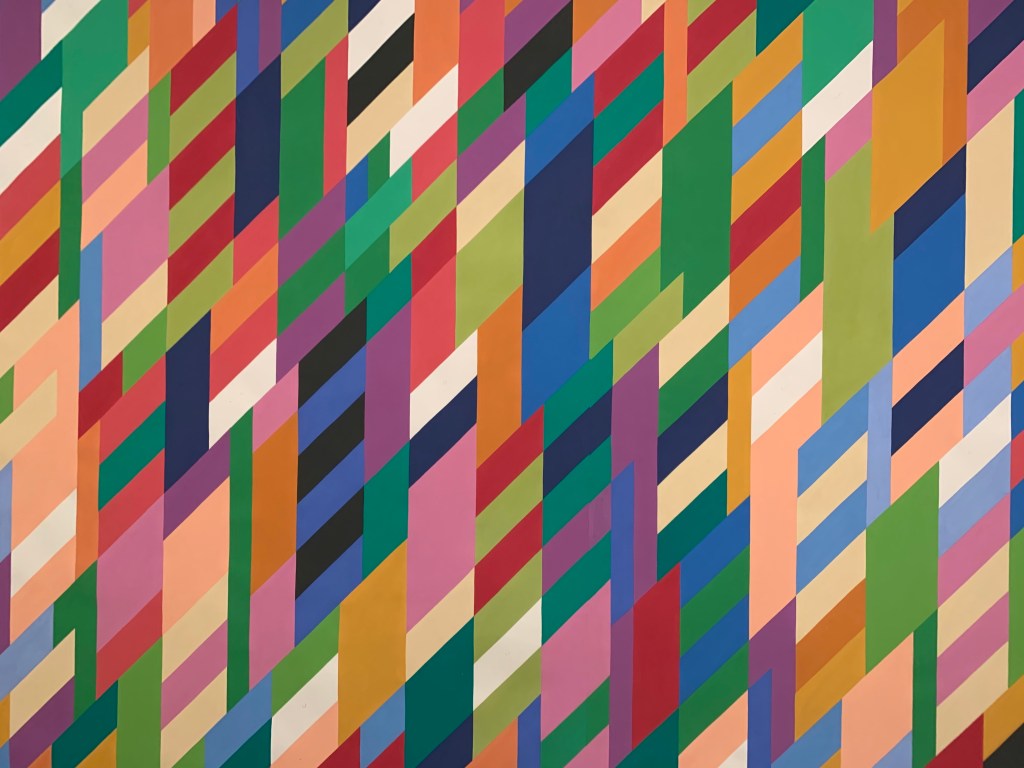
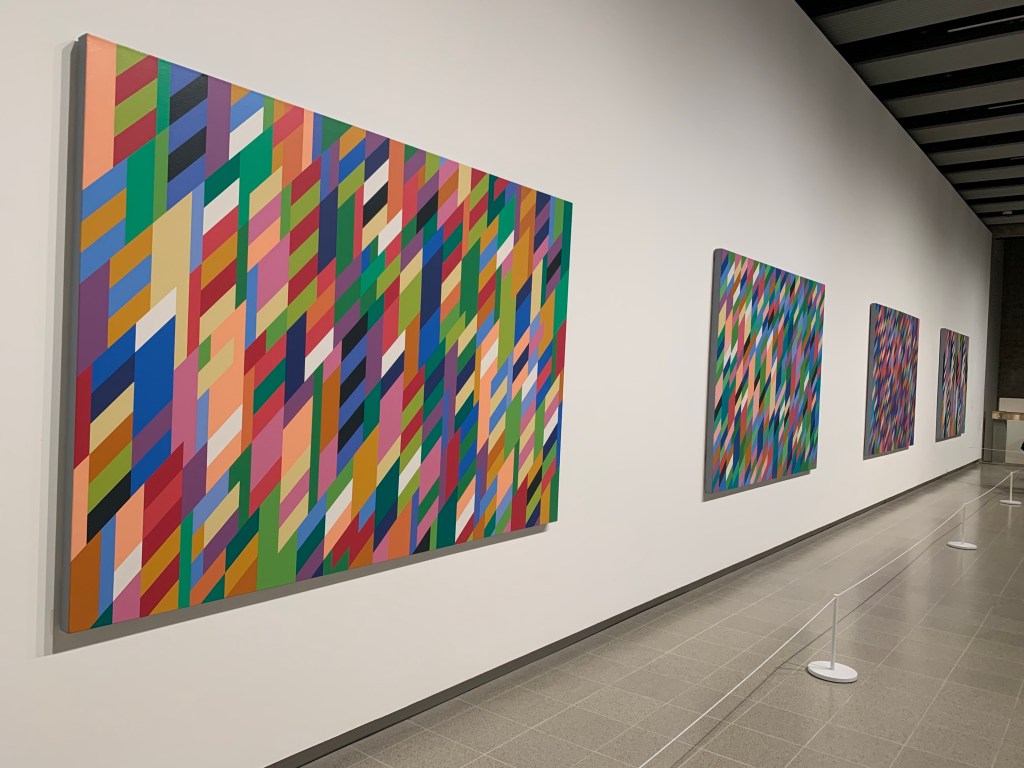
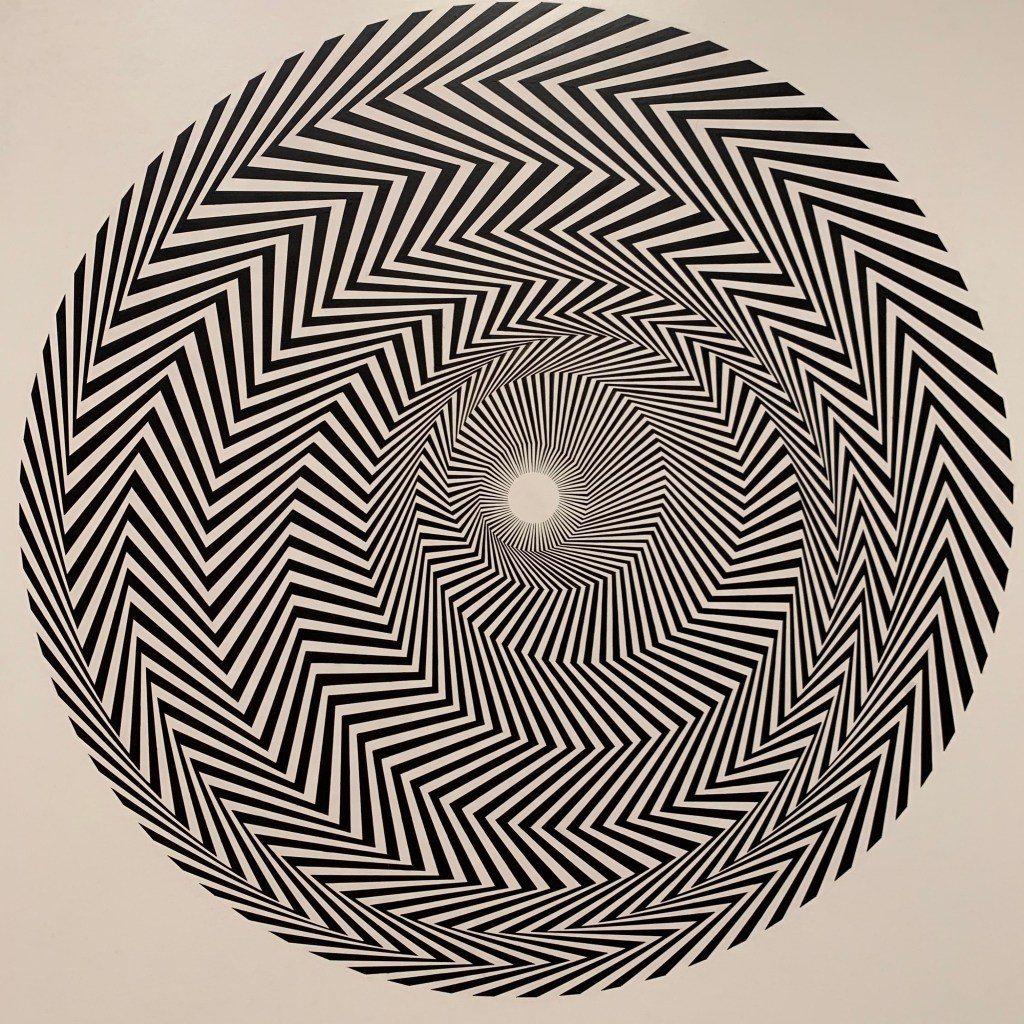
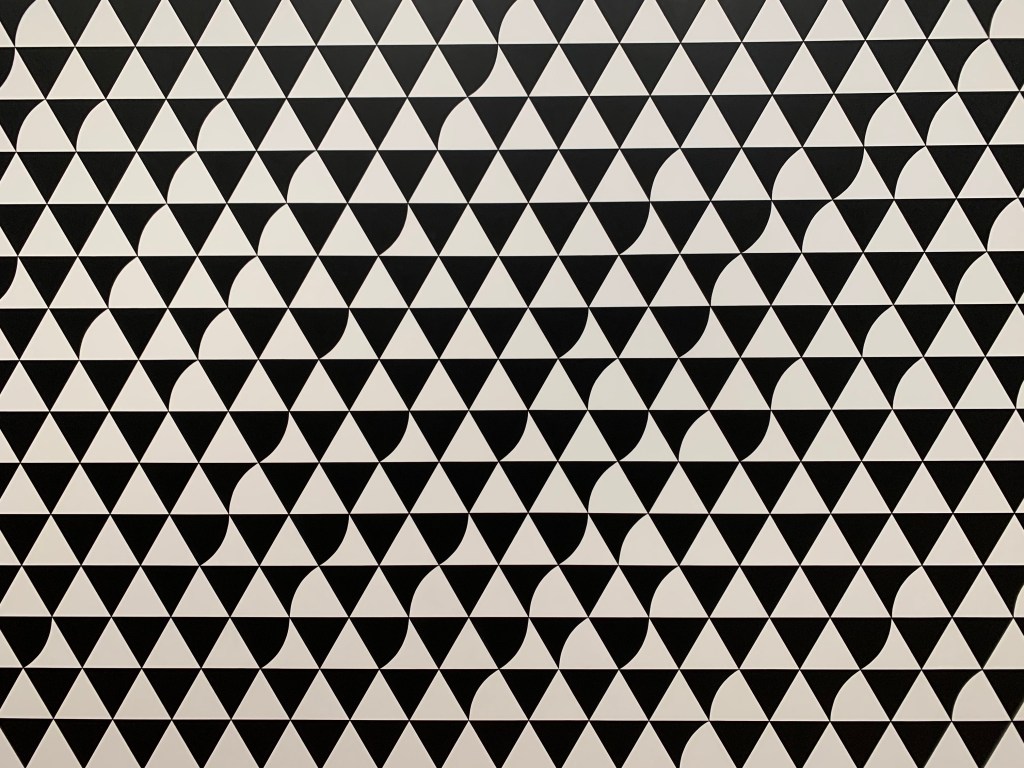
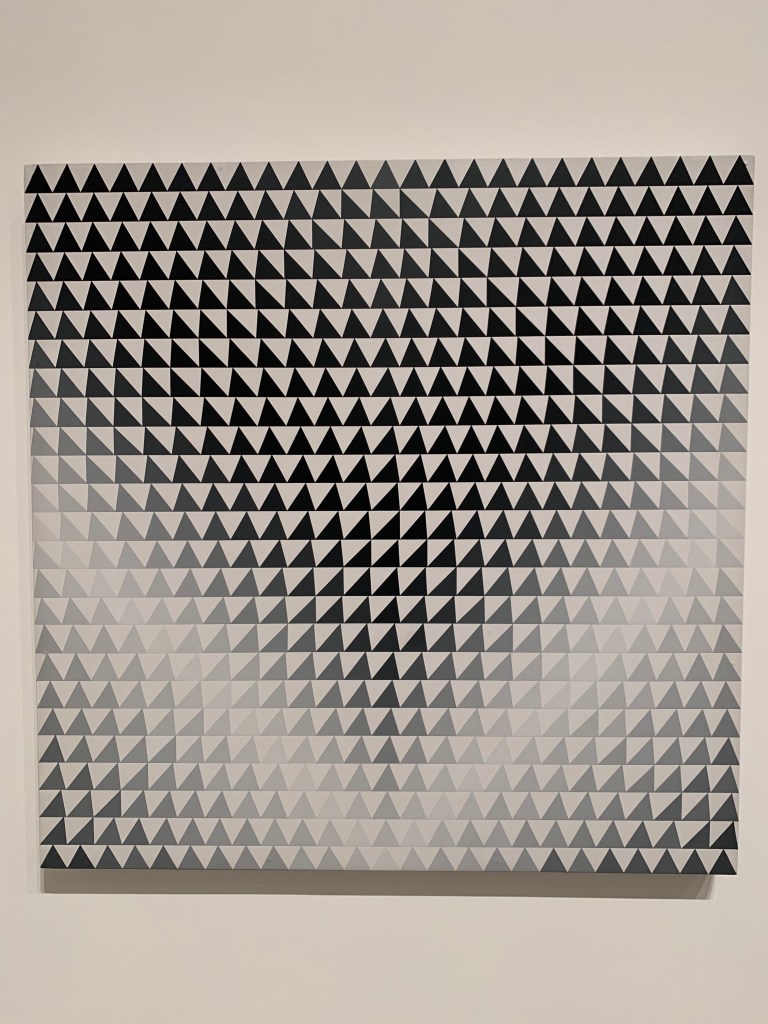
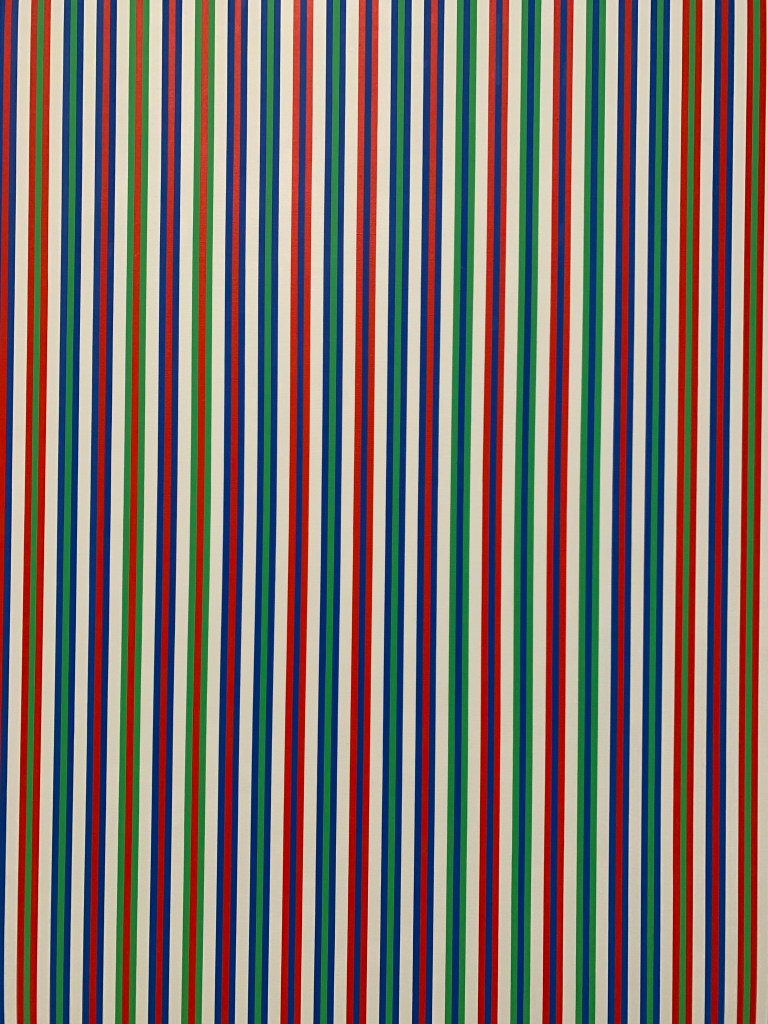
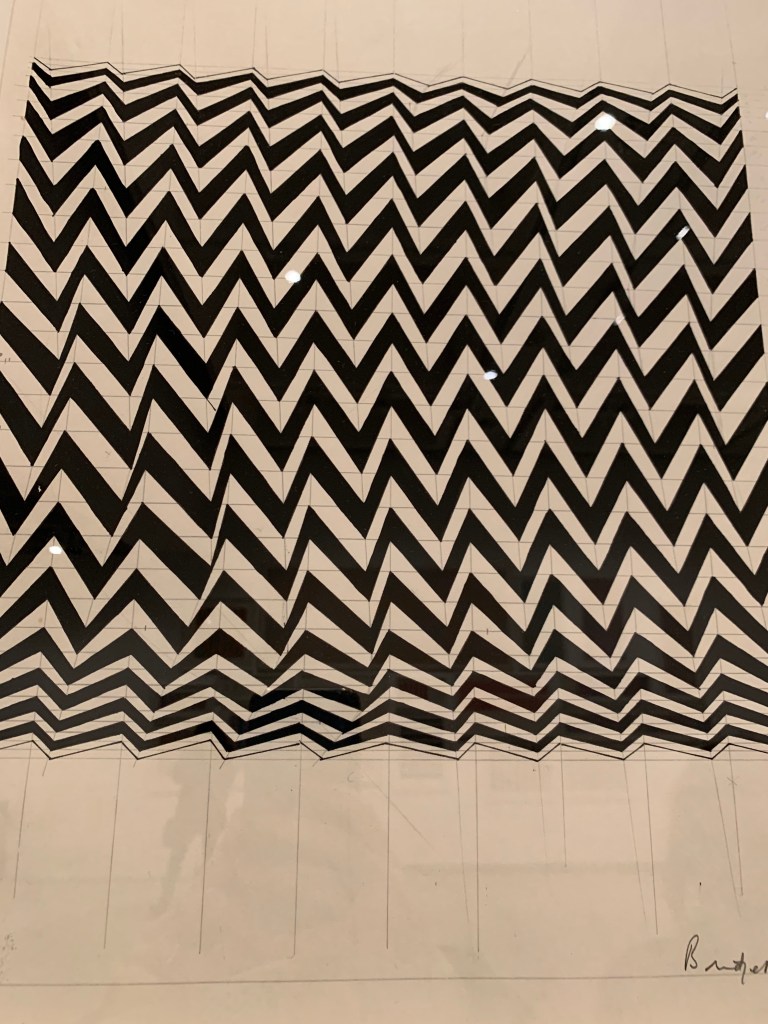
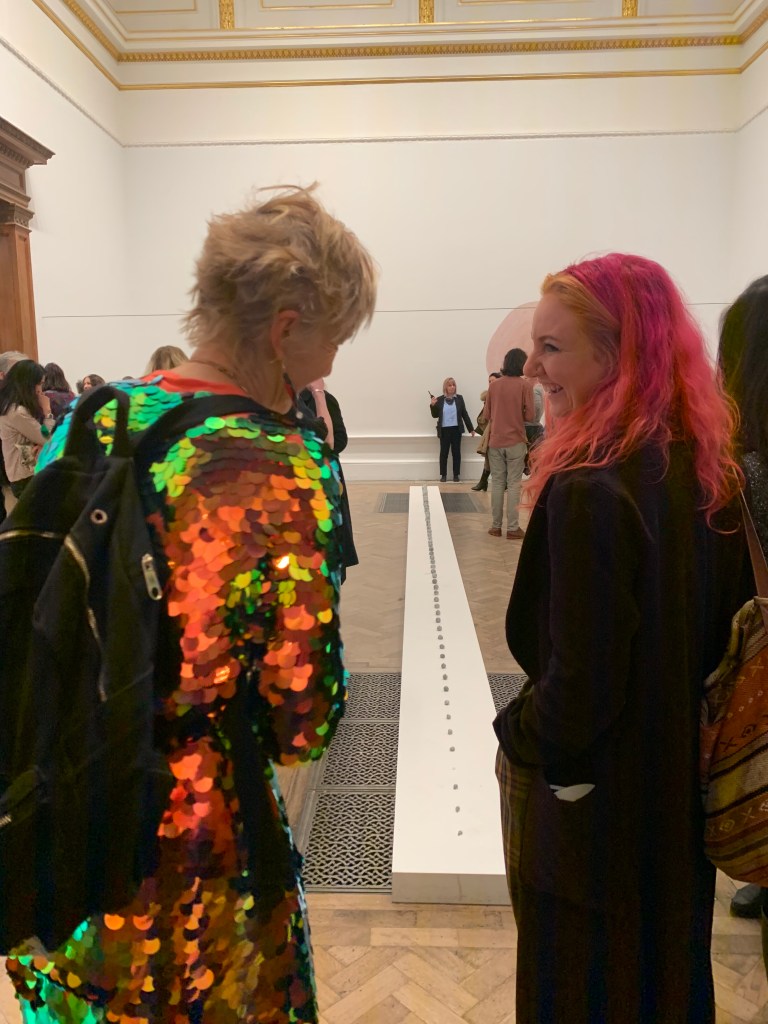
When I was growing up I studied Bridget Riley at school and I did not realise to what extent she had influenced my work until I went to her exhibition yesterday, it reminded me of the intuitive patterns I used to draw to relax my mind. Her work is very rhythmic and the colours seem to vibrate outwards and move on the canvas. I love the way you can view the pieces using the left and the right side of the brain and as you switch perspective between the two the picture changes.
“It’s all relative, and subjective, a matter of the mind as well as the body. Memory and mood, youthfulness and age all play their part.”
I particularly like her black and white pieces and I spent longer looking at these and became very absorbed. She describes them as, “a cycle of ‘repose, disturbance and repose’; an interplay of feelings of composure and anxiety.” I often draw these black and white patterns when I feel anxious and I found it interesting to see the similarity. Some of her pieces made me feel quite disorientated, others were medititive and drew me into another state of mind showing once more that art can have an effect on our mood and the way we see the world.
“How we see things, and what we see, has psychological as well as physiological and neurological dimensions.”
Images from the Bridget Riley 2019 Exhibition in the Haywood Gallery London
“Drawing is an exercise in looking: one finds out what can be seen and at the same time one finds oneself having to organise the visual and emotional information extracted.” Bridget Riley 2010.
Bridget Riley Exhibition, The Haywood Gallery, London. (2019)
Bridget Riley review – a shimmering rolling, flickering spectactular. The Guardian, 22nd October (2019)
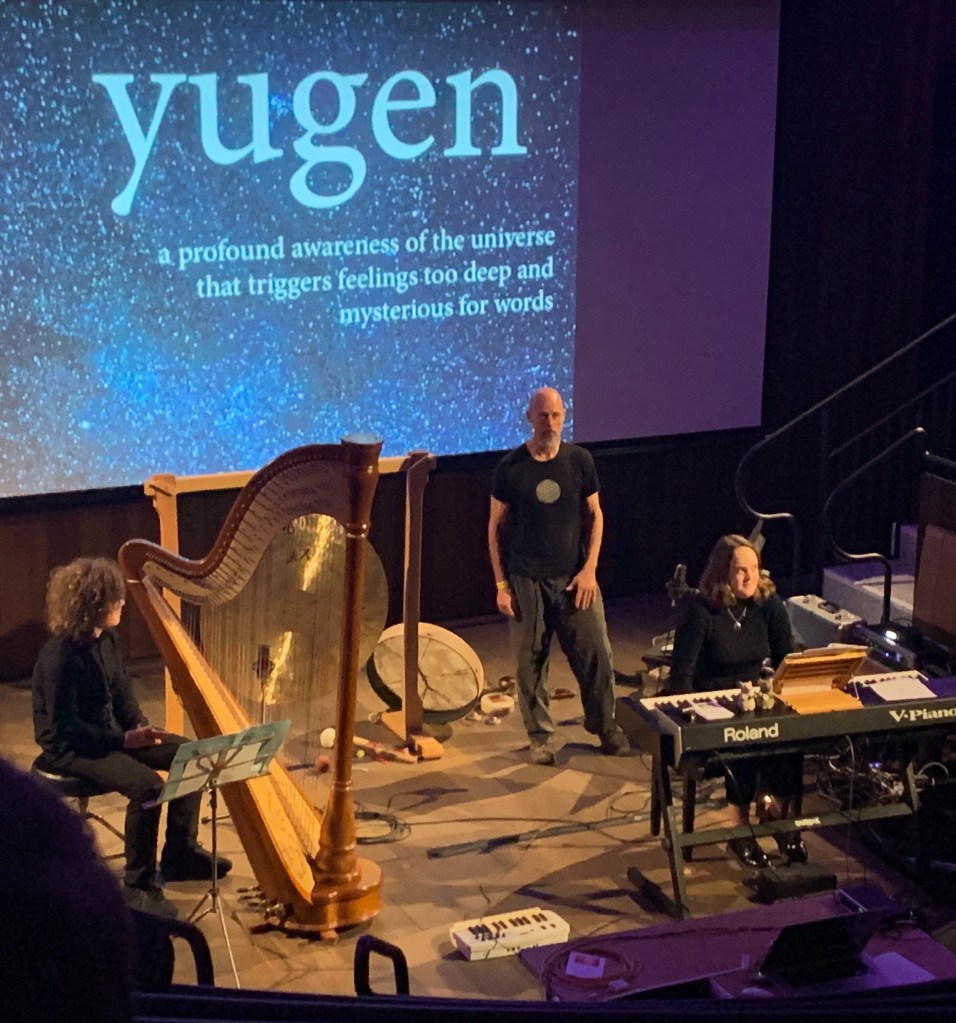
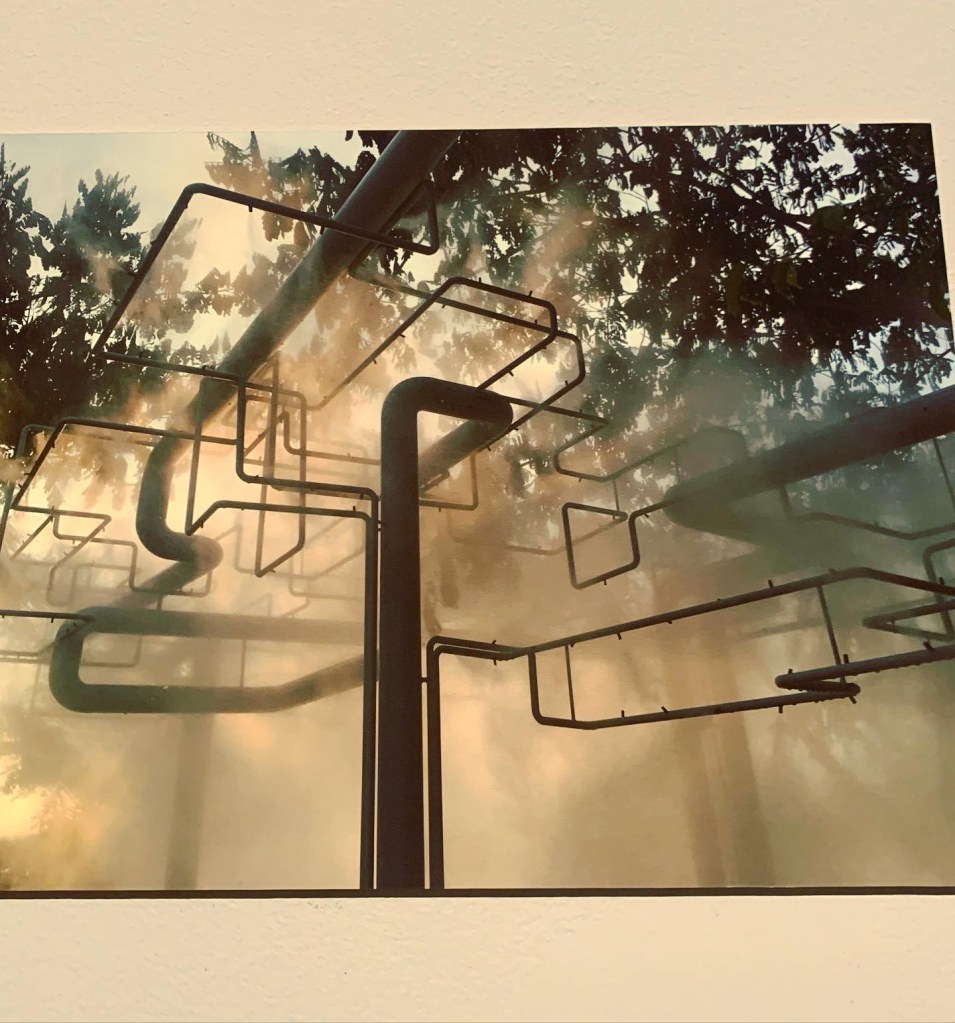
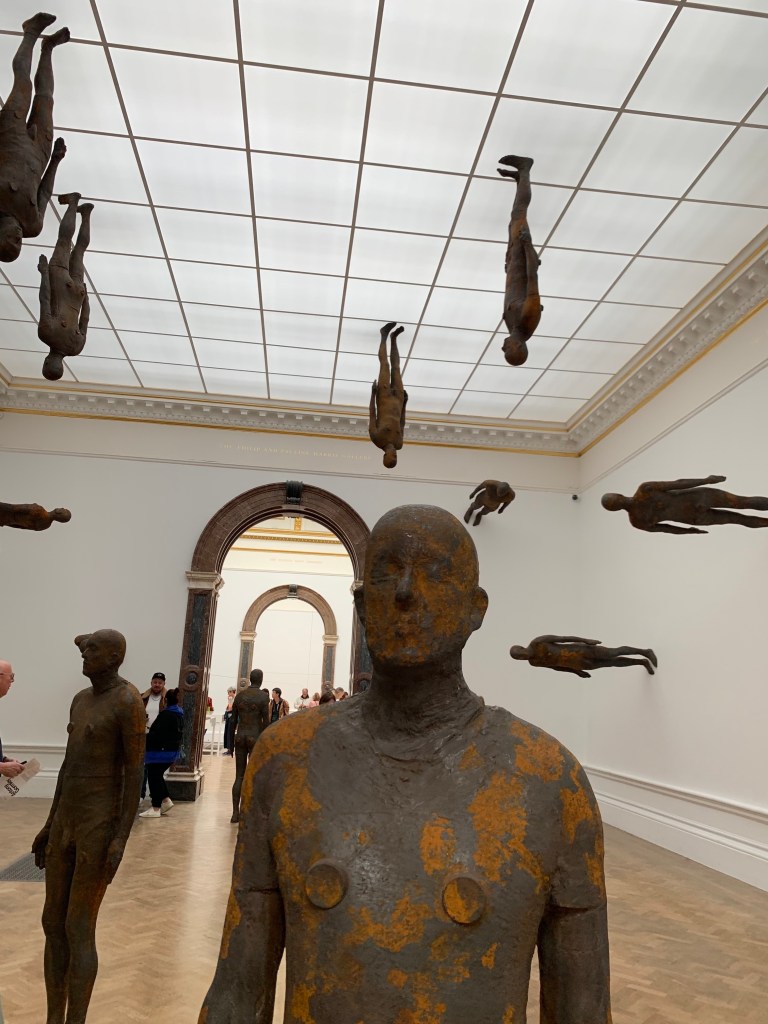
I went to the Royal Academy Lates at the end of November. The event included performance art, soundscapes and multi-sensory installations. I also saw the Antony Gormley exhibition again and noticed lots of pieces I had not seen the first time around (figure 7-8). It was the opening night for an exhibition called Ecovisionaires which was about environmental issues and people who are trying to help the planet through clever art and design (figure 9). It was interesting to see all the activities around the exhibitions in the theme of, “the body and its relationship to nature and the cosmos”. In one hall we went into there was a family of musicians who lived in the mountains in Wales who played this very uplifting music which sent us into a very calm medititive state (figure 1). The mother in the family won an award for being the best composer of the year this year. Their music incorporated nature sounds like birds singing and running water, alongside a gong, piano, drum and harp. They seemed to be very in-tune with nature which fitted in well with the theme of the evening. I noticed how peaceful it made everyone including myself and I came out of the room refreshed.
It demonstrated to me the power music can have on us like art it can transport us to different states of mind. It can bring us back to the present and quieten all the thoughts running through it. This made me think about different sound frequencies and how it effects our brain. Above the musicians on a screen was written “yugen” (Japanese) meaning, “a profound awareness of the universe that triggers feelings too deep and mysterious for words”. Art can be the same, a painting can bring up strong feelings and spark off a reaction from deep in the unconscious mind. They also put the word “eunoia” (Japanese) on the screen meaning “beautiful thinking; a well mind”. The families way of thinking resonated with my own linking nature and music with well-being and creating a peace of mind in the same way art and nature can also link together.
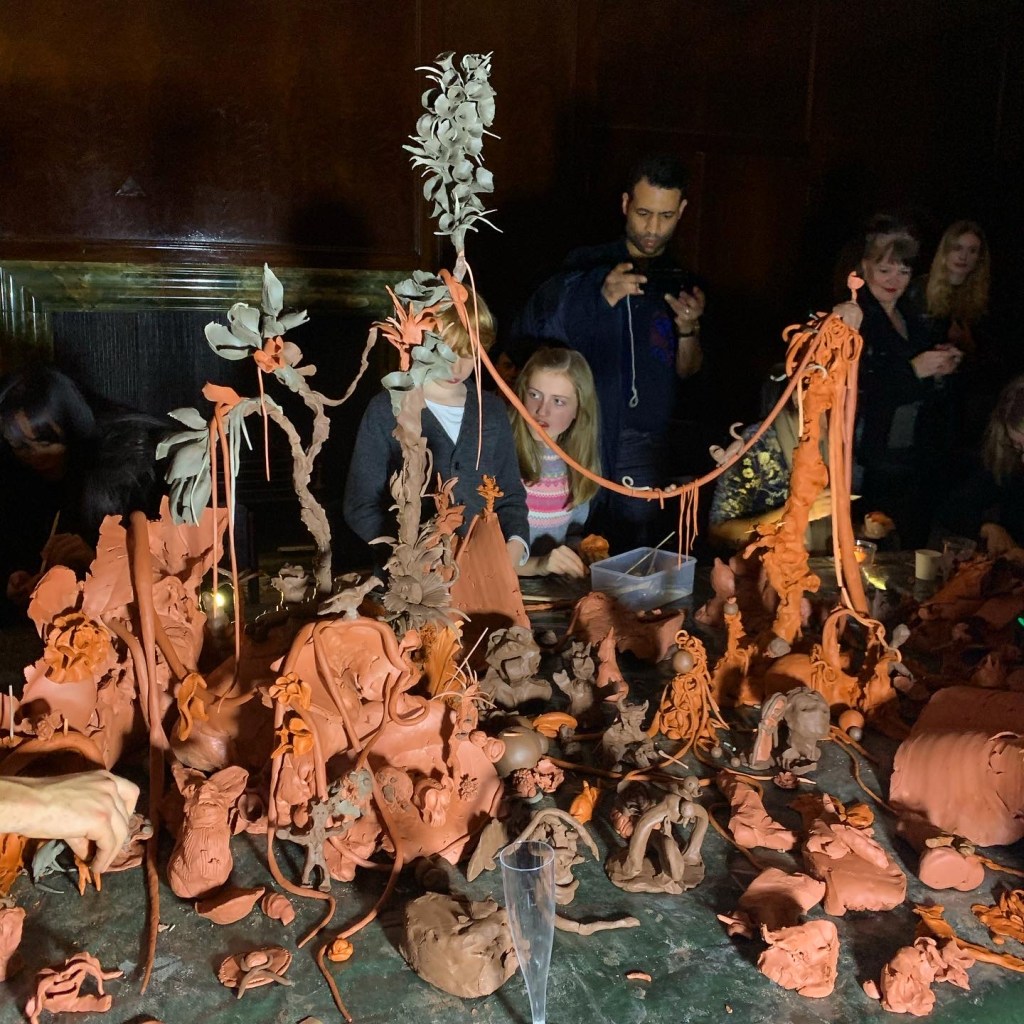
It was a wonderful experience exploring the RA at night and not knowing what we would find in each room. It had an element of surprise, of seeing things through fresh eyes and being able to play or produce our own art in some of the rooms. I found the whole experience very therapeutic. There was a room with lots of people sitting around the outside the table spot-lit with clay creations on it. Each person was adding to one giant piece of art which had a feeling of community, of bringing people together as one and also having that connection with nature (figure 2 – 3). Different art materials and spaces can invoke different feelings and this was another good example of this. It made me think about the way clients might react in a group making situation and what they might produce.
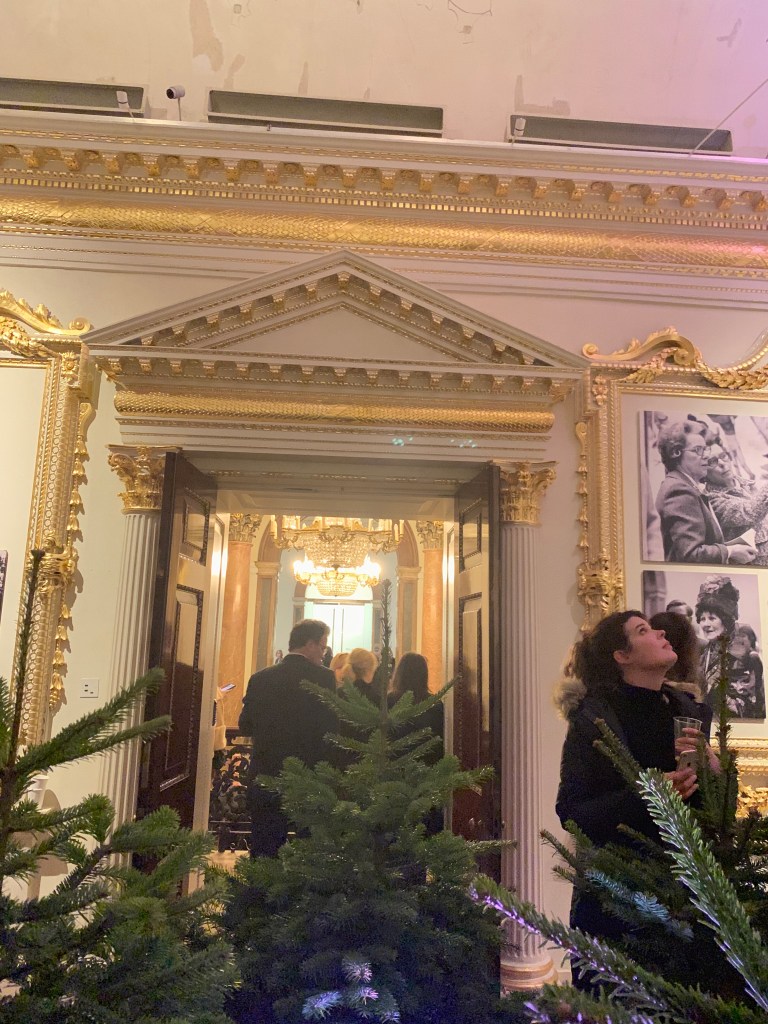
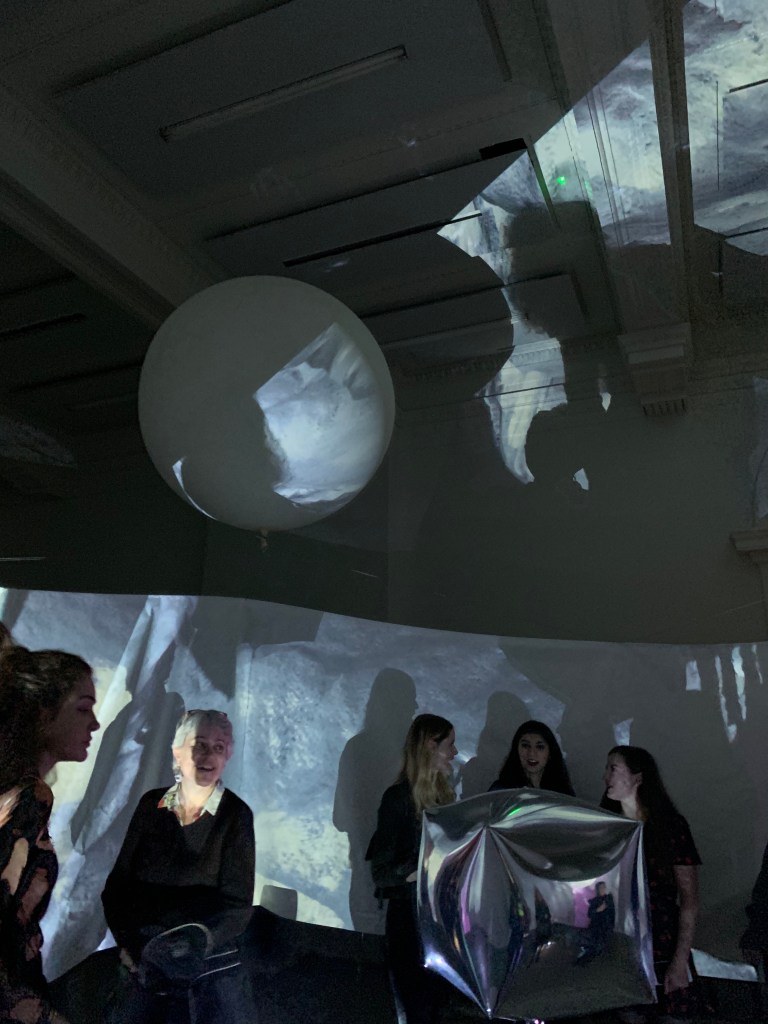
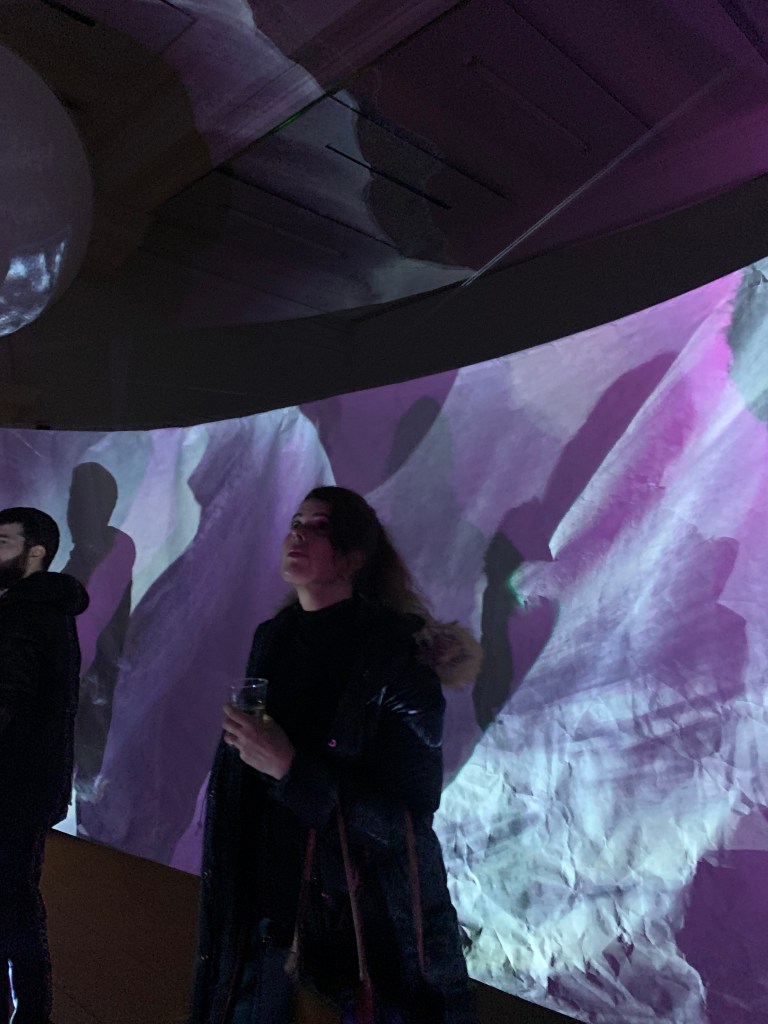
Another dark room had a reflective moving lighting installation in it which moved around us quite quickly and had a loud noise that sounded like an electric saw coming from it (figure 5-6). It was hard to stay in this room for very long. The noise reminded me of trees being cut down. It brought up some horrible feelings of distruction my sister also did not enjoy this space. There was also a room filled with pine trees and a smell of pine was pumped into the space (figure 4). I enjoyed the multi-scensery experience of the event and came away from the show feeling inspired. I have included some pictures from the night below.
Royal Academy Lates, November 2019 music, art installations, Antony Gormleys work, Ecovisionaires figure 1-9 starting from top left
Observe the Beauty
Observe the beauty of simple things,
See the movement of the wind….. through the leaves,
Find happiness in all that is simple and pure,
Be aware of the quiet things,
Be still. Listen,
Feel the rain as it falls,
You will see it in the flowers,
You will see it in the trees,
We only need to listen.
Stay together
Learn the flowers
Go light.
Classical Composer Maddy Chassar-Hesketh and family, from the Royal Academy Lates, Deep Earth, www.thishealingplace.com
Royal Academy of Art Late’s Exhibition, Deep Earth, (November 2019)
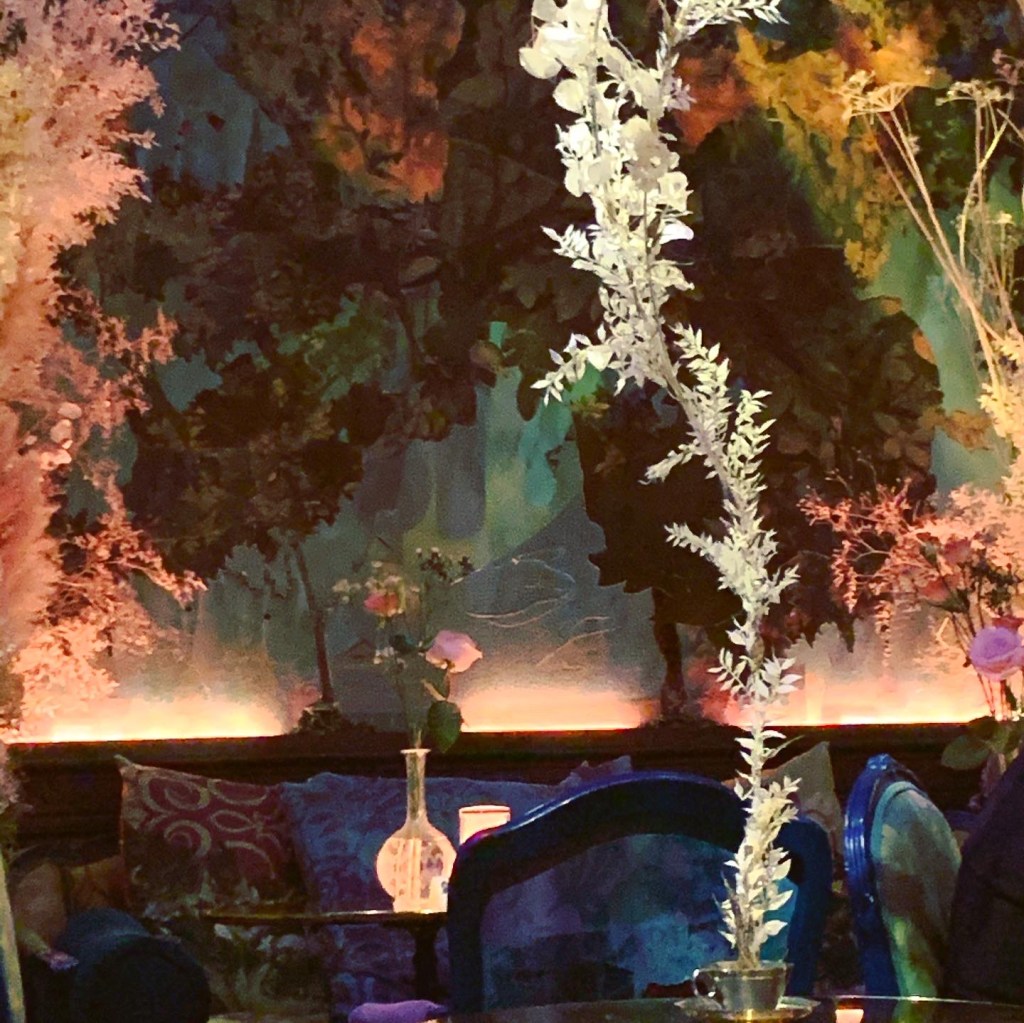
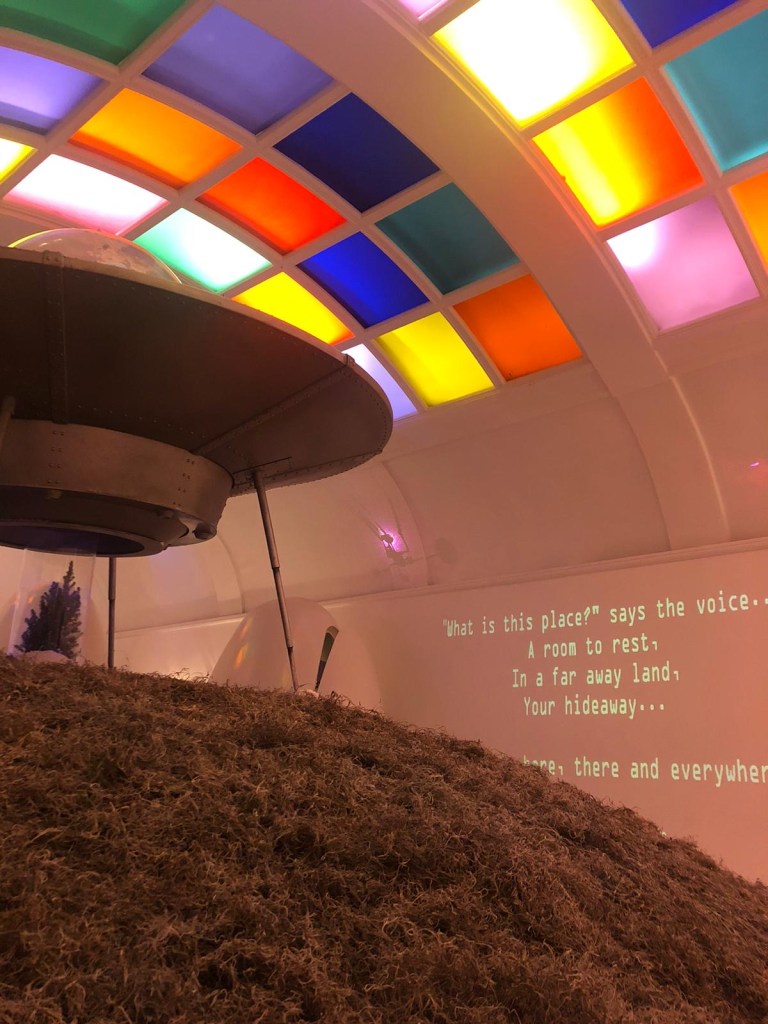
I went to sketch restaurant/bar the same day and I was amazed how this was like stepping into an enchanted world. It was also like the RA an immersive experience which shifted our moods on a rainy evening by distracting us with beautiful bright contemporary art installations, bringing us back to the present moment. Each room a contrast different from the last. There was again an element of surprise and wonder with reflections on nature and the universe. There was a tree lighting instillation that changed colour it reminded me of some of the tree art I have made in the past (figure 10-12). There was a room called the glade which is where we sat, it had a art instillation made from natural materials such as dried leaves coming out of a tea cup and reaching up to the ceiling, it looked like a rain cloud. It reminded me of the saying ‘storm in a teacup’. It was a very impressive piece (figure 13-15). The bathroom is also very unique, there was a piece of writing projected onto the wall telling a story of the space and a ufo in the middle ontop of some moss, a small christmas tree and toilet pods around it. I love the design of this room (figure 16-17). In another room artist David Shrigley has his work around a pink dining room, I particularly liked his piece called the divided self (figure 18).
The Christmas Arcade, Arboreal Lightning by Alex Haw The Glade Enchanted Decoupage, Forest Storm in a teacup by Figa and Co Martyn White Designs UFO bathroom figure 10-17 from top leftArtist David Shrigley – his pieces reminded me of art therapy pieces figure 18
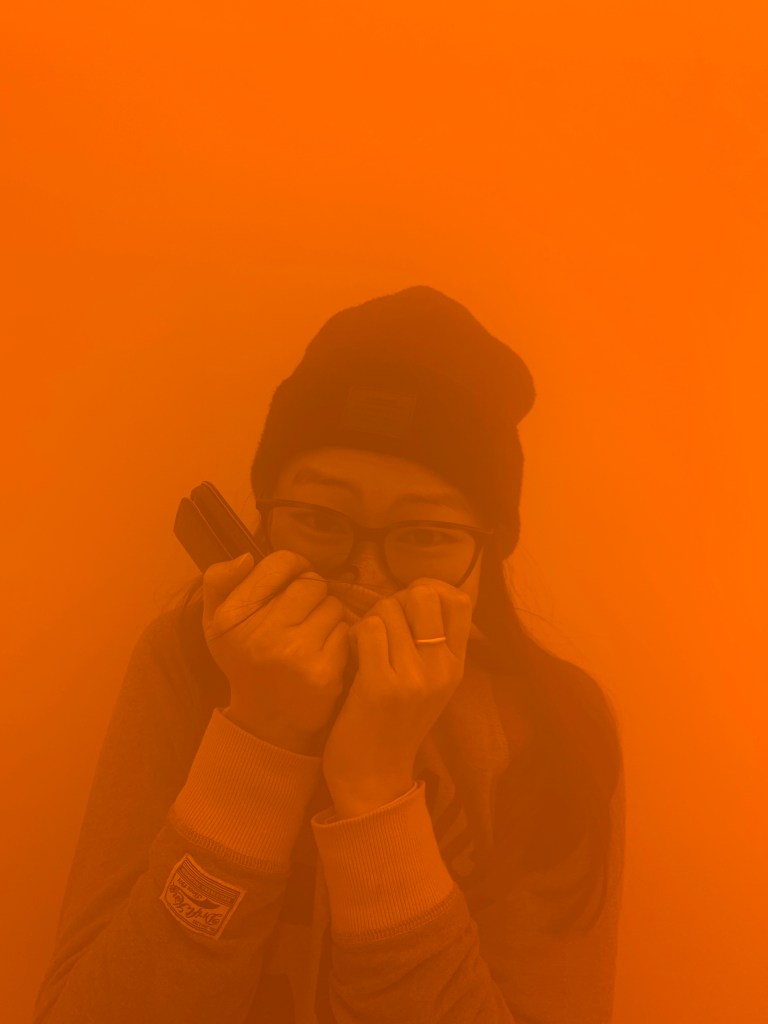
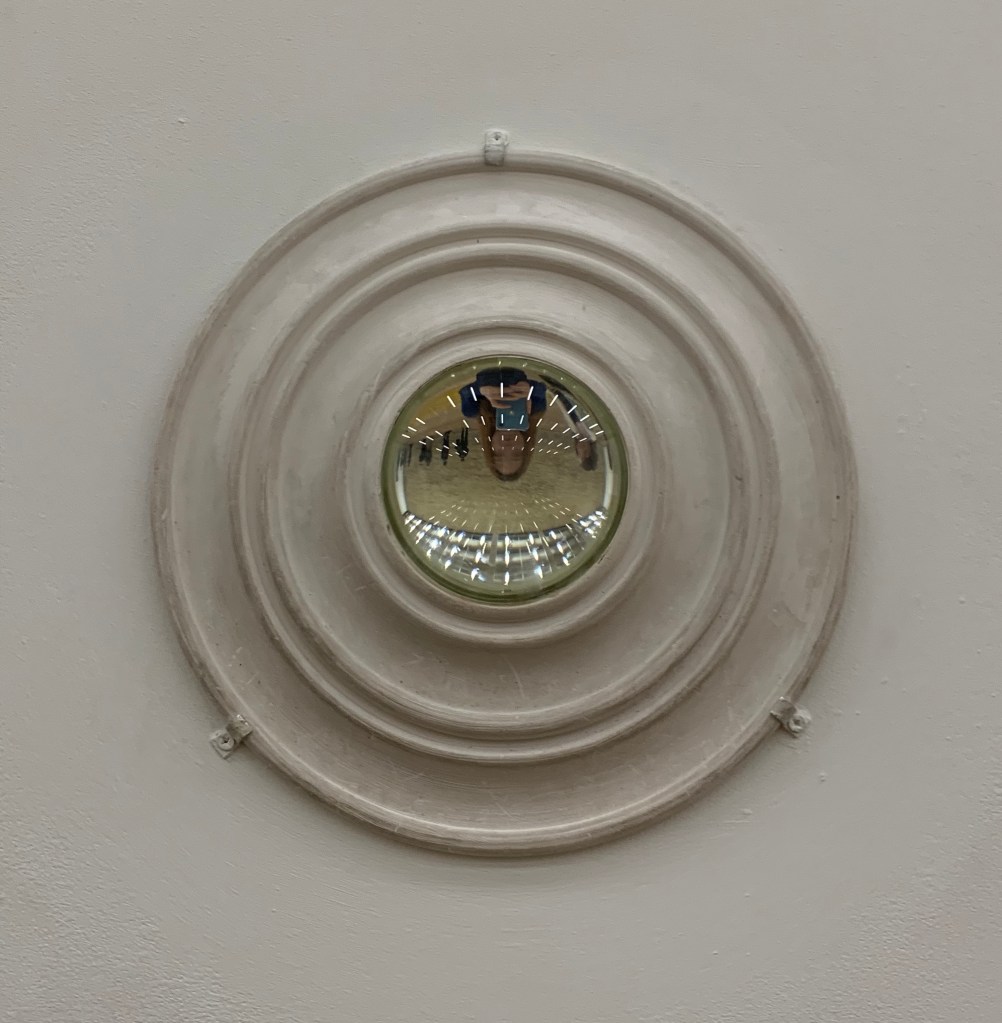
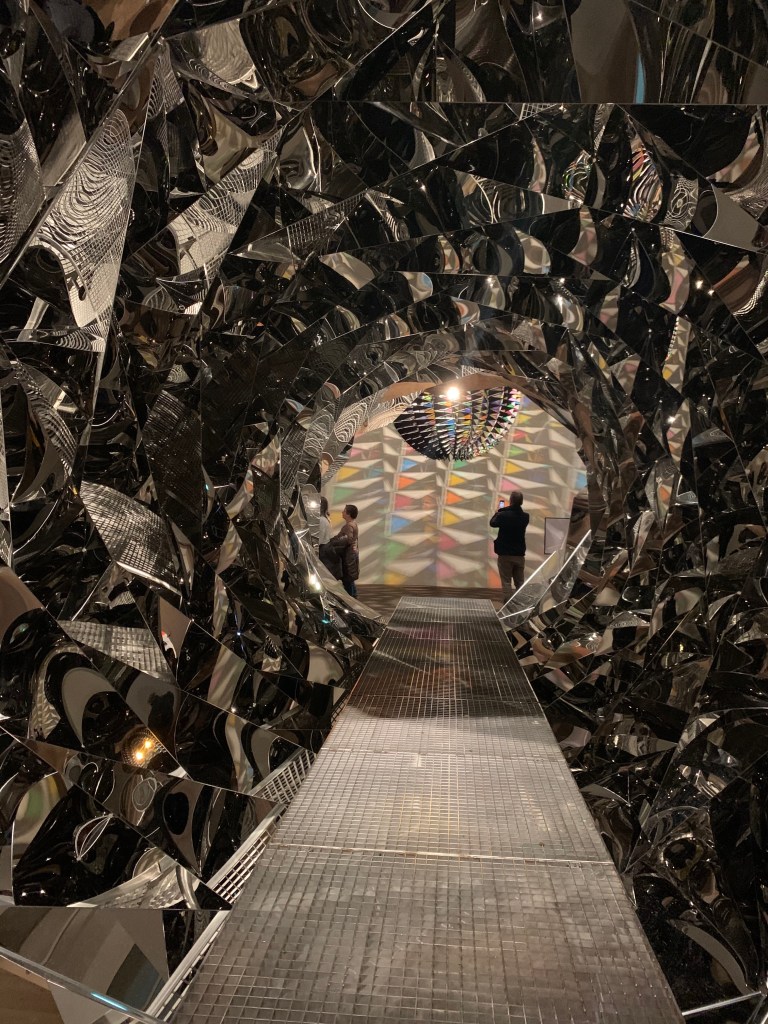
I enjoyed this exhibition at the Tate Modern. It brings together over 40 works of art made between 1990 and today by the Danish-Icelandic artist. I was drawn to the name of it “In Real Life”. I like to explore in “the real world” the actual physical experience more than through the internet and books formed on other peoples experiences and opinions. I went with a student from my class so we experienced it together. It was interesting to see how her reactions to certain pieces differed from my own. In particular I enjoyed a piece called “Your Blind Passenger” (figure 1 and 2) where you walk through a colour and light filled tunnel of fog. My classmate hated it and had a sense of panic, whereas I felt like it was exciting not knowing where I was going. This made me think about our cultural differences, how our past experiences can effect the present and how we can experience the same things but from very different perspectives. When I am working with clients I will be mindful of this.
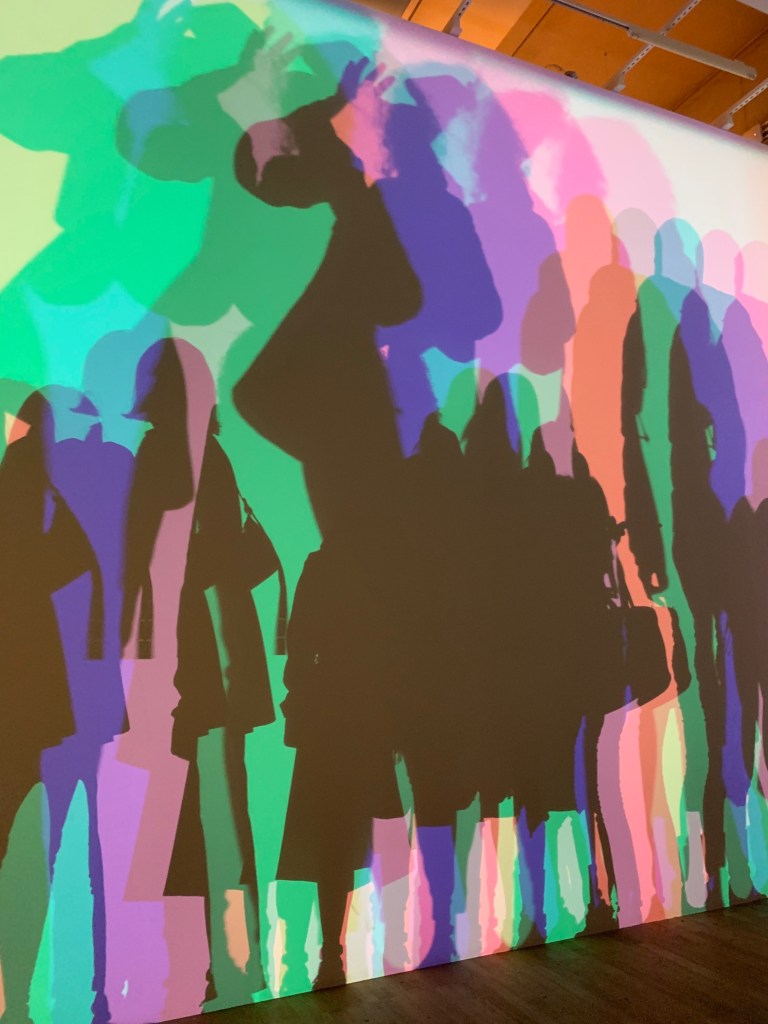
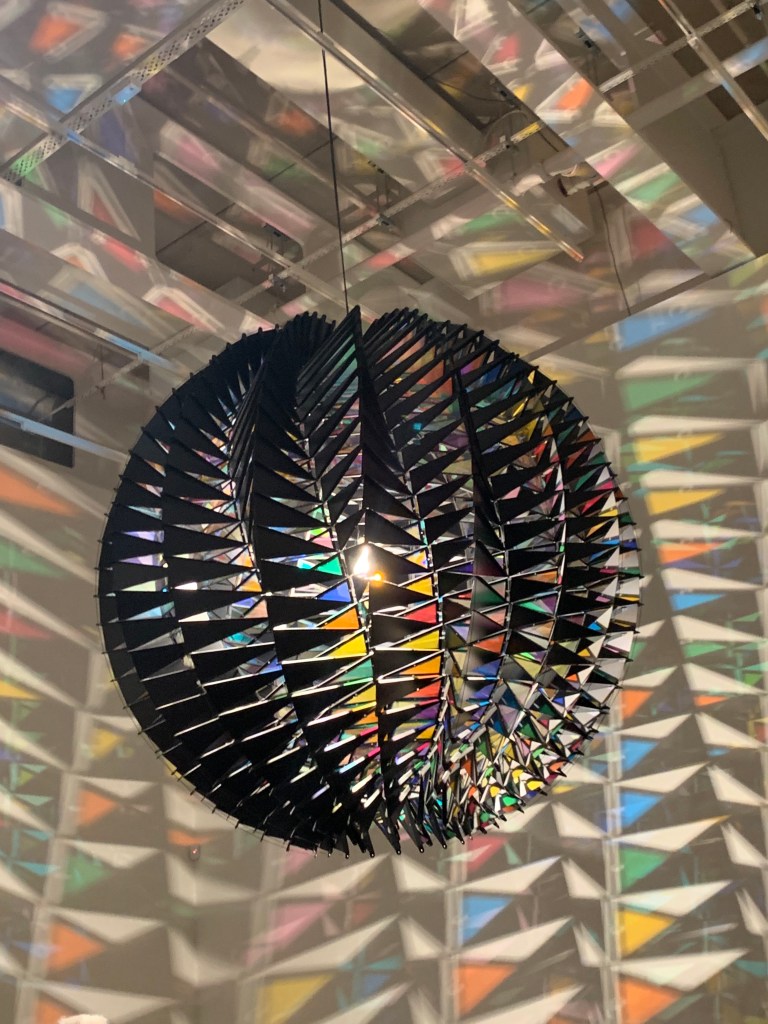
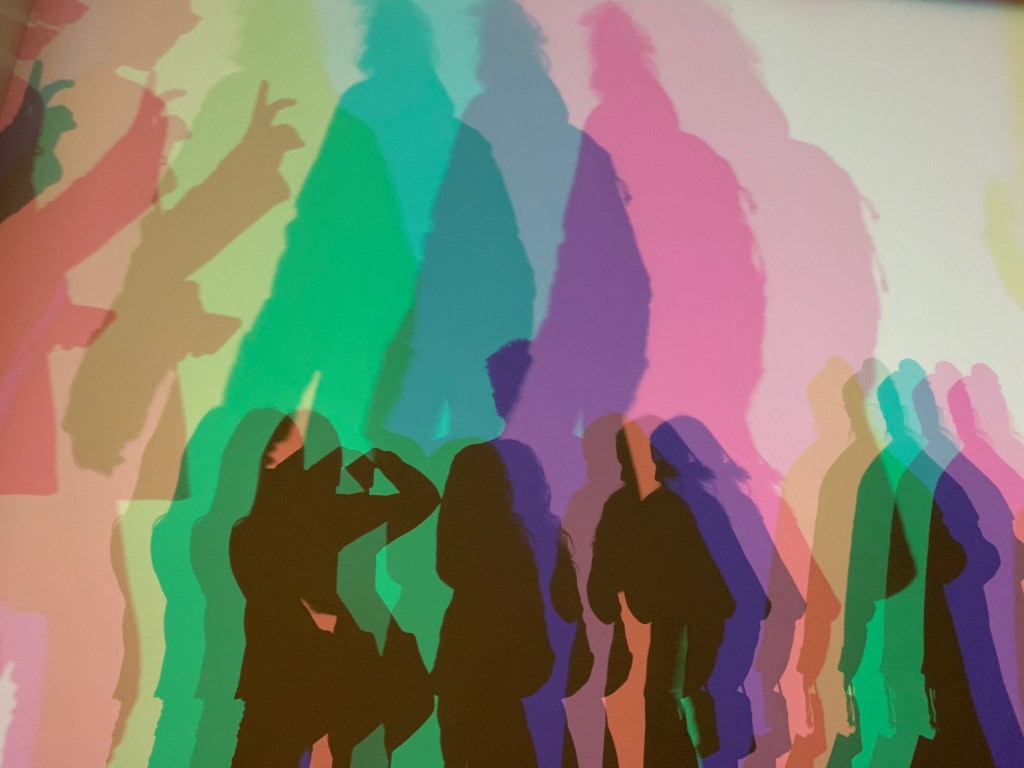
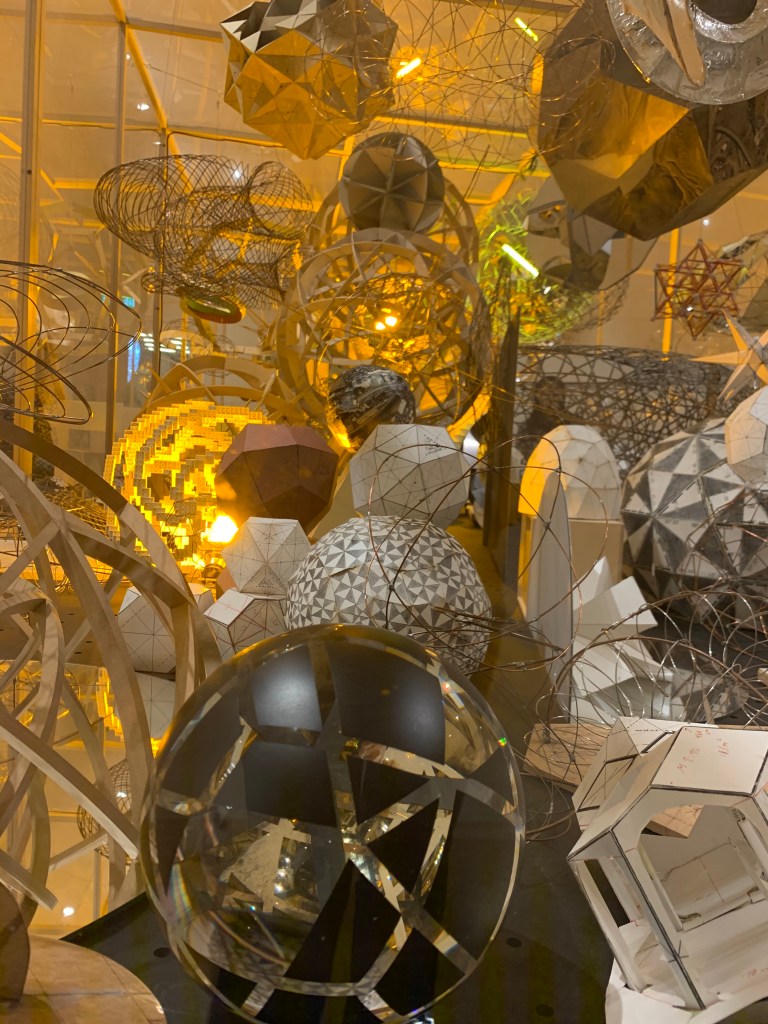
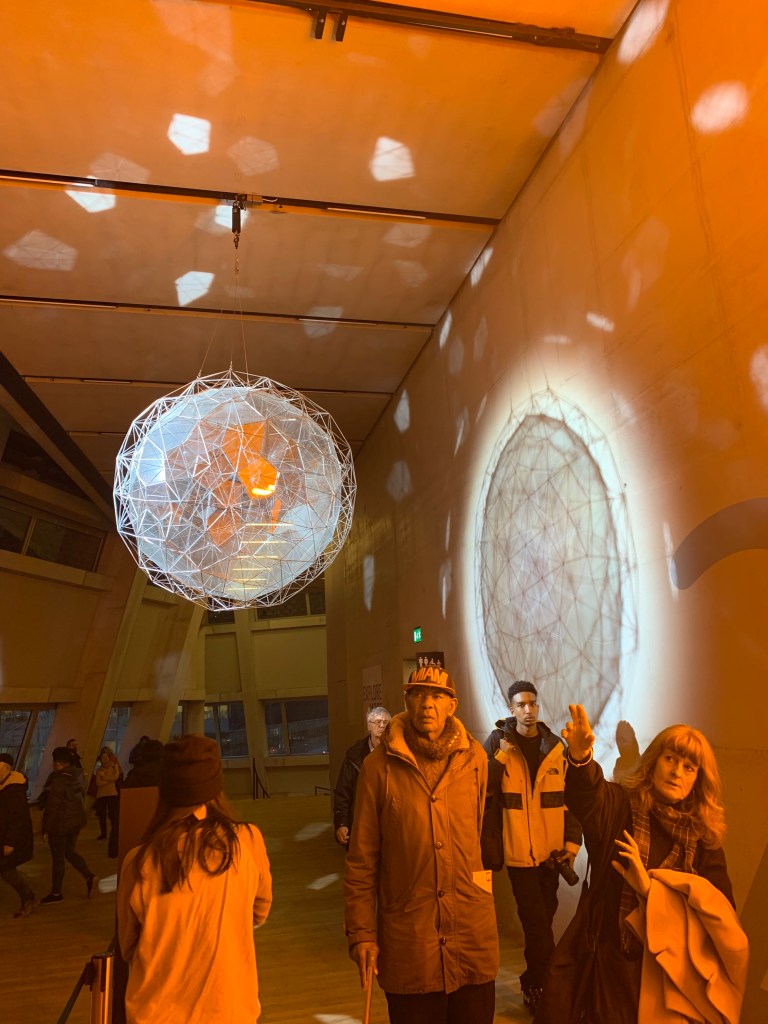
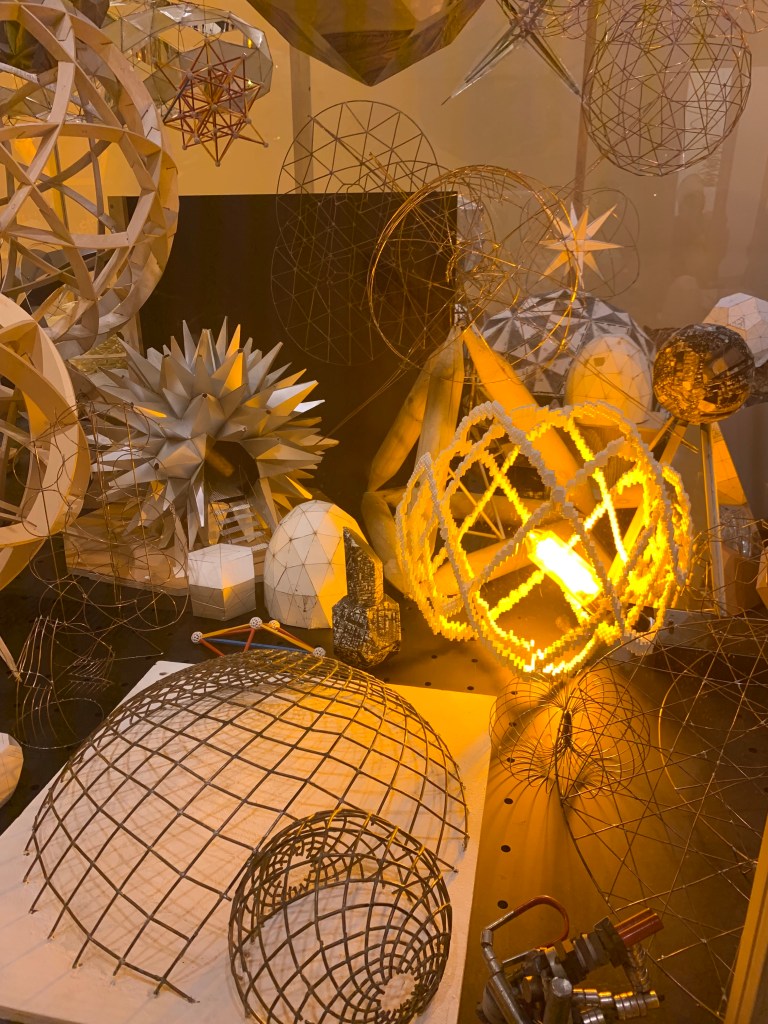
I love immersive art as it has the power to change your mood, it can transport you somewhere new and brings you into the present and makes you more aware of your senses. It has a therapeutic impact on me that is why I go to so many art exhibitions. It takes me away from “normality” and into the imaginative world of the artists thinking. I enjoyed the element of surprise at this exhibition. Each space brought a different sense and atmosphere, there was a focus on mathematics in the form of using geometric shapes which looked like planets, the universe and there were also pieces on climate change. In some of the spaces I found my sense of reality heightened. This was acheived through the use of structures, light and space. There was also a sense of play in the spaces where people could interact with the work created by shadow and object (Your Uncertain Shadow figure 3 & 7) this piece was a lot of fun.
“Eliasson puts experience at the centre of his art. He hopes that as you encounter it, you become more aware of your senses”. Tate Modern
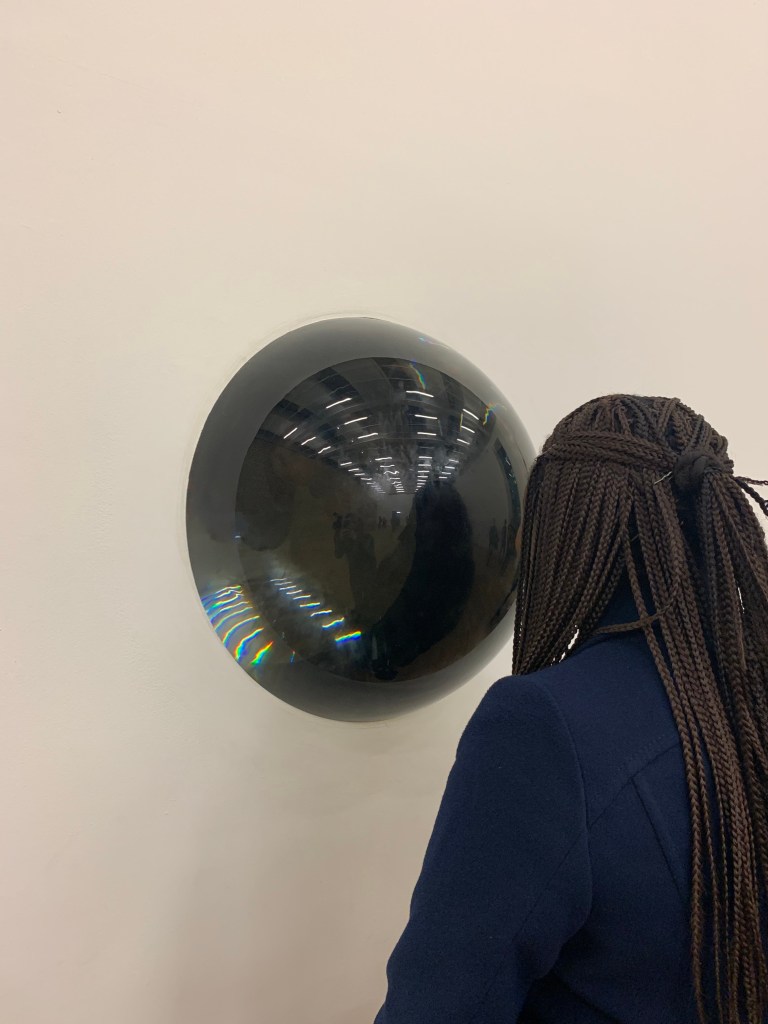
fig 1 -2 Your Blind Passanger fig 3 & 7 Your Uncertain Shadow fig 5 & 8 Your Spiral View fig 11 The Expanded Studio The structural evolution project fig 12 In Real Life fig 10 & 13 Model Room figure 1-13 from top left
Olafur Eliasson, In Real Life, The Tate Modern (2019)London.
We were set a task as a group where some of us had to sit in the middle of the room and produce a piece of art while the rest of the class observed us from different perspectives. Some from a scientific perspective, others from a therapy perspective etc. I was in the art making group, there was five of us and all the attention was suddenly on us. We had to sit around a table and were instructed to take some materials to work with. We had to produce our piece of art for twenty minutes. The room fell into silence as we began. I chose to work with chalk pastels on black paper. My piece started as something quite fluid and free and then a tree emerged towards the end. Being watched and judged was very intense and I felt anxious but doing art at the same time had a calming effect. I felt I was in the zone and shifted my attention away from what was happening around me. It was like a meditation although I was still very aware of the people. After we had to write about the experience for twenty minutes and then read it out to a small group. I found this part much harder as I had to tell the group how it made me feel being watched which was uncomfortable. It made me feel anxious people knowing my inner thoughts as that feeling of being judged was heightened. They said on the outside I looked calm. Which made me think I had done well to contain my anxiety. It also made me think about how appearances can be very different to the way someone actually feels inside. I can use art as a way of letting out nervous energy and turning it into a positive. I had a sense of relief after the activity was over and a new found insight into what it must feel like for a client in an art therapy session. Lots of the clients I will come across will find it hard to communicate and it will be up to me to recognise this and find ways of engaging them and gaining their trust.
We are having a series of workshops using different art materials. The first week we used dry materials including pencil, charcoal and pastels with different sizes and types of paper. It felt good to have a more practical class after lots of theory. We spent five minutes on each drawing and went around the room using each different material, some on a smaller and others on a larger scale. It was interesting how it brought back memories of certain situations depending on which materials were used. One type of paper reminded me of the poor quality of paper we used at school and someone else recalled the same. I did a lot of drawing throughout school, university and into adulthood and each image felt like a different stage of my art process.
I particularly enjoyed using the charcoal on a large scale and working on the floor. It felt more freeing and a break from my comfort zone. There were twigs laid out for us to use and my initial reaction was to start drawing around the twig roughly before attaching the charcoal to the end of the twig to start working with the twig itself. I drew a branch from the broken twig and I had a sense of what the tree might have looked like before it had been broken. I felt a sense of embodying the material in this piece. I liked transfering a sense of energy onto paper. I am drawn to nature and this comes out in my work.
I noticed five eyes appeared in one of my other pieces representing the five eyes of the small group I was working in. I like producing art using my unconscious mind to see what emerges and then reflecting on the symbolism and messages behind my pieces. The eye can symbolise judgement or authority but it can also symbolize an increased sense of perception and awareness. I enjoy decoding the different possible meanings. I plan to look into Jung and symbolism a lot more as I develop.
week one embodied materials figure 1week one embodied materials figure 2
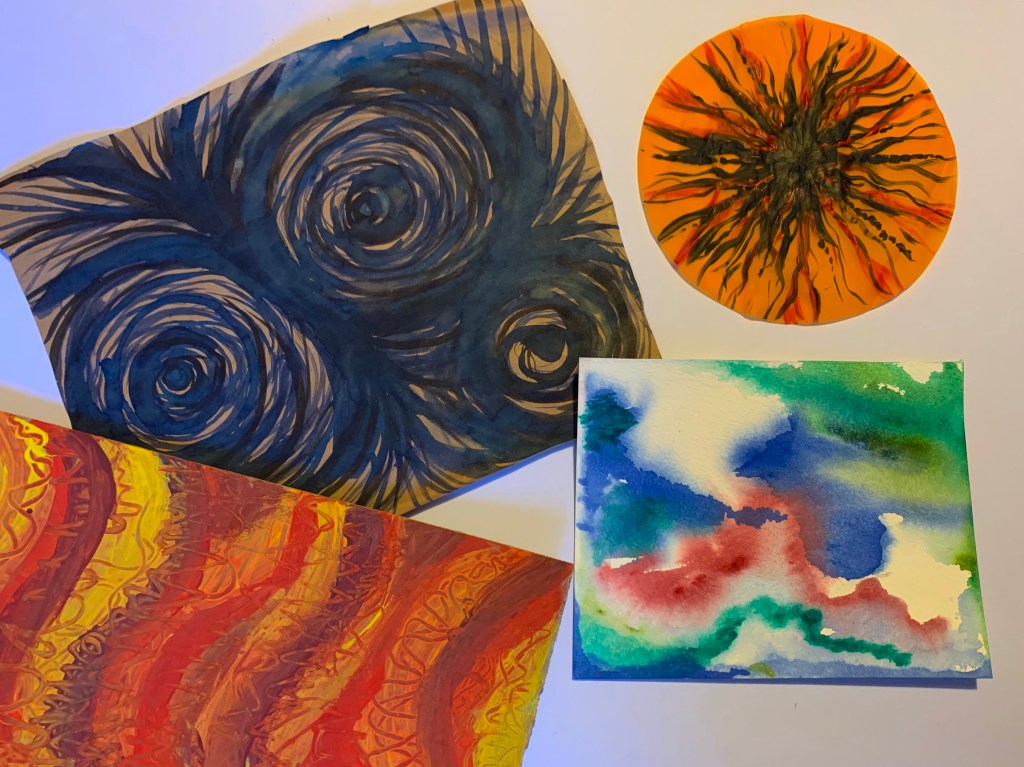
The second week we looked at wet materials and the effects this had in our process of working. We were also allowed to use more colour and there was more variety, for instance watercolour paint and paper, different types of acrylic paint and different shapes of paper. I was in a bit of a bad mood as I had got stuck on my way in at Turnpike Lane underground station for an hour so I was late. This was reflected in my first piece which was using dark blue and black ink. I drew three circles with ripples around each. The number three has always been very symbolic to me. The other pieces seemed much lighter after that. On later reflection my art therapist and I noticed that they seemed to be like the elements fire, earth, air and water. It made me think of having a sense of balance. (See figure 3 below)
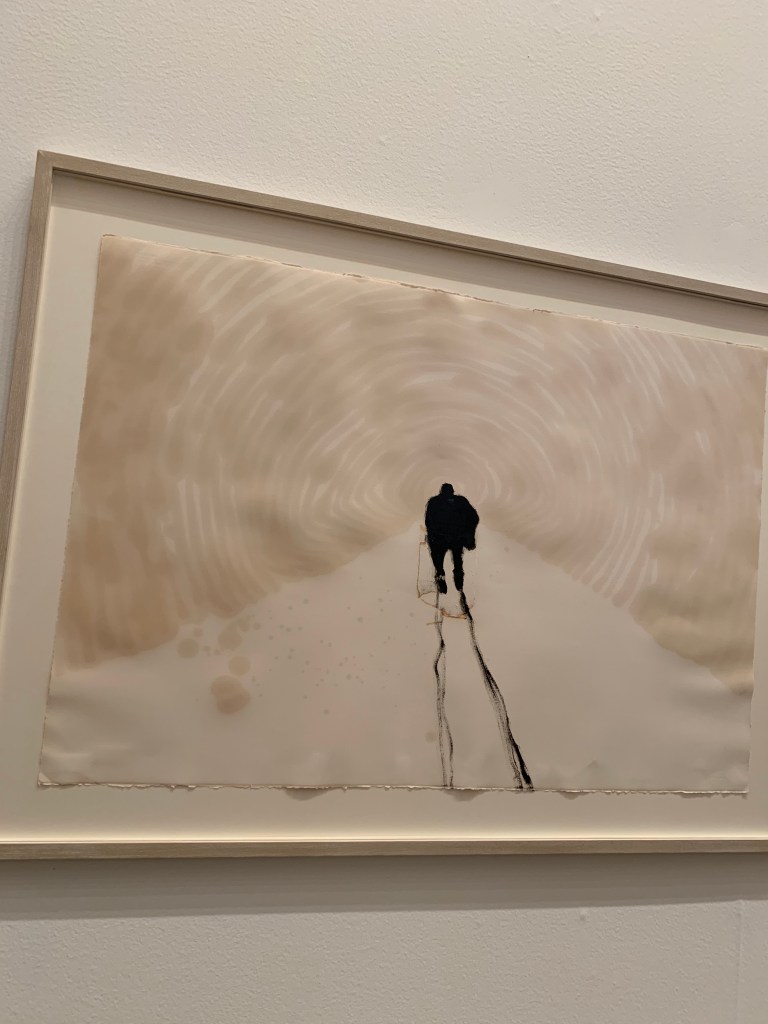
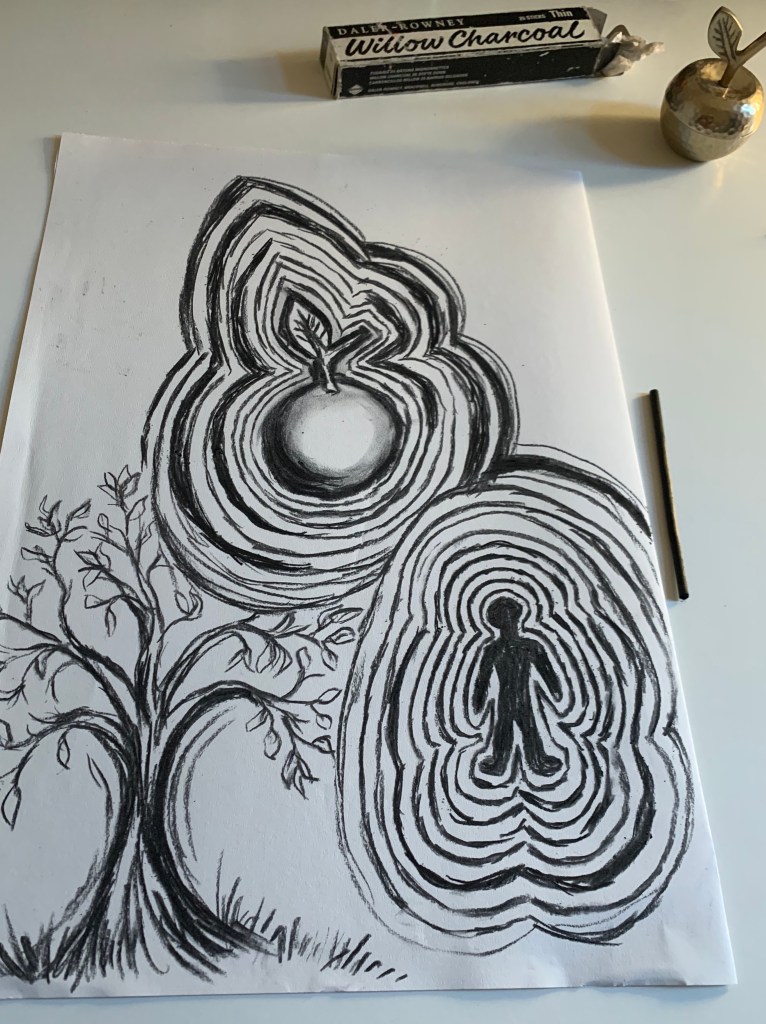
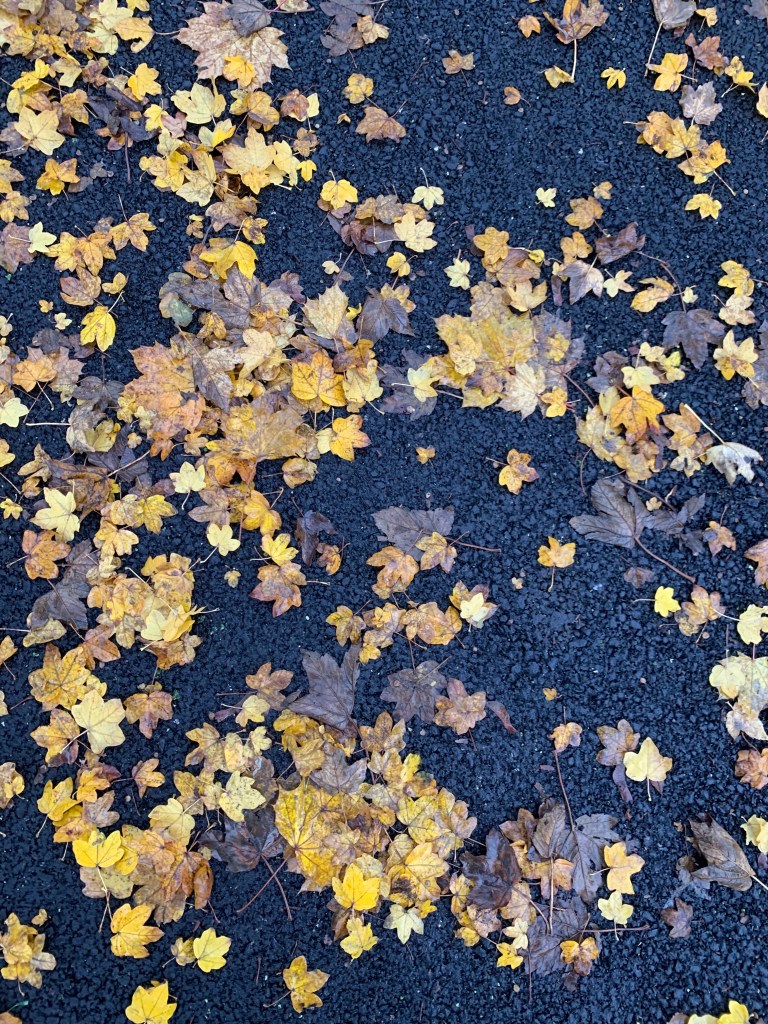
I also did a response piece to this with my art therapist and again I noticed more symbolism. (figure 3) This time a man, a tree and an apple which maybe reprosents a natural energy cycle and connection between humans and nature. The man and the apple had rings around them which my therapist interpreted as protective rings but I liked to see them as energy radiating outwards. I used black willow charcoal which was an interesting choice as it is made from a tree. There was a contrast between this piece and the ones earlier in the day but also similarities. I said to the therapist it felt good to “get the black out” and that art brings me light on a grey day. I enjoy working with dramatic contrasts and I have begun to think about why this is. On the way home I also noticed myself looking at contrast and colour again and I took a photo of the black concrete with fallen autumn leaves it felt as though related to my other pieces. I find it interesting how we are drawn to things without consciously always knowing why.
figure 3
figure 4
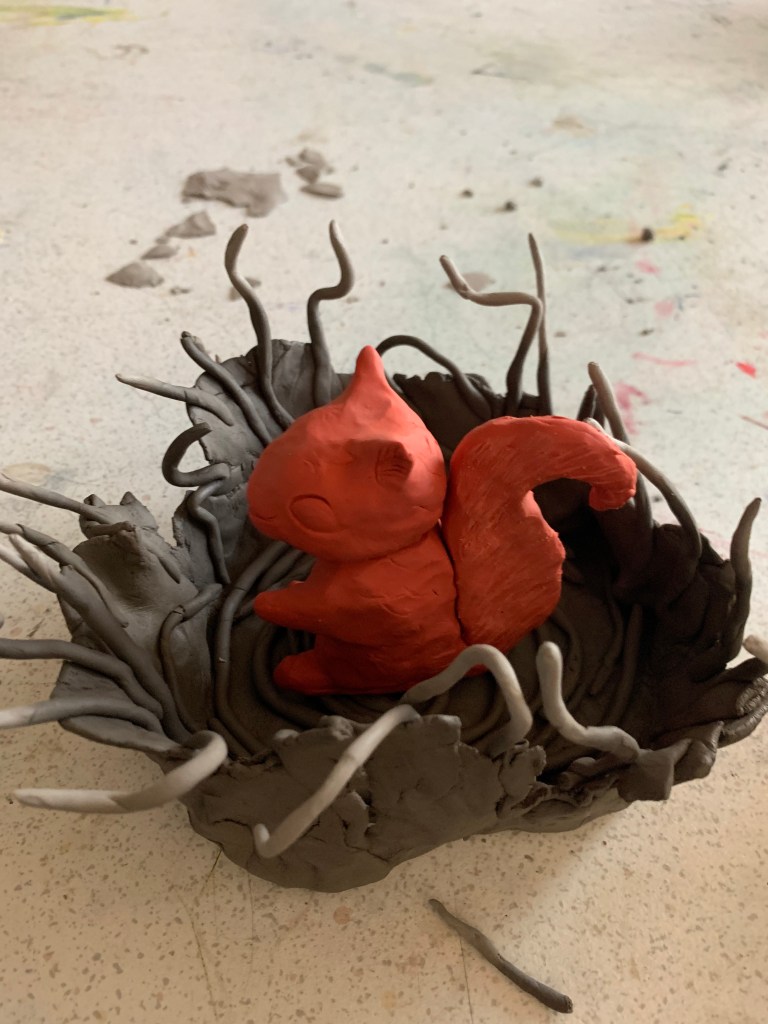
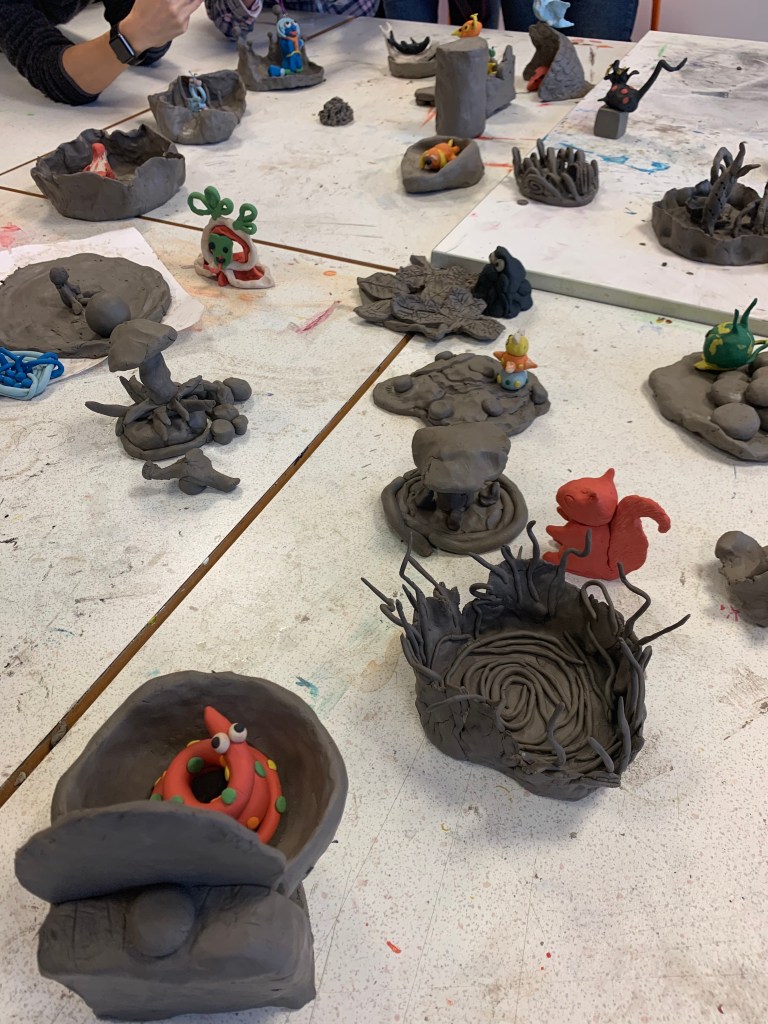
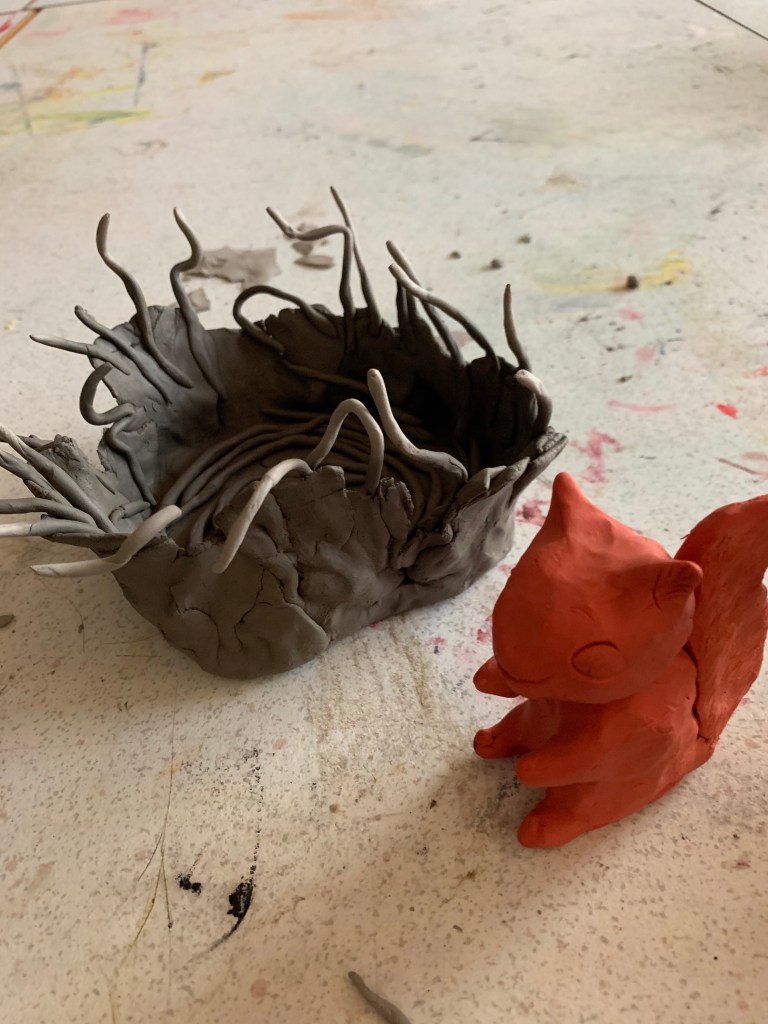
Another week we were asked to make an animal and a habitat for the animal using plasticine for the animal and clay for the habitat. I chose to make a red squirrel and I made a nest for him to sit in. Although after making the habitat I didnt want to keep him in it as it seemed like it was closing in on him. (figure 6).
figure 6
I saw this squirrel after I went to the Bridget Reilly exhibition and it reminded me of our animal and habitat project
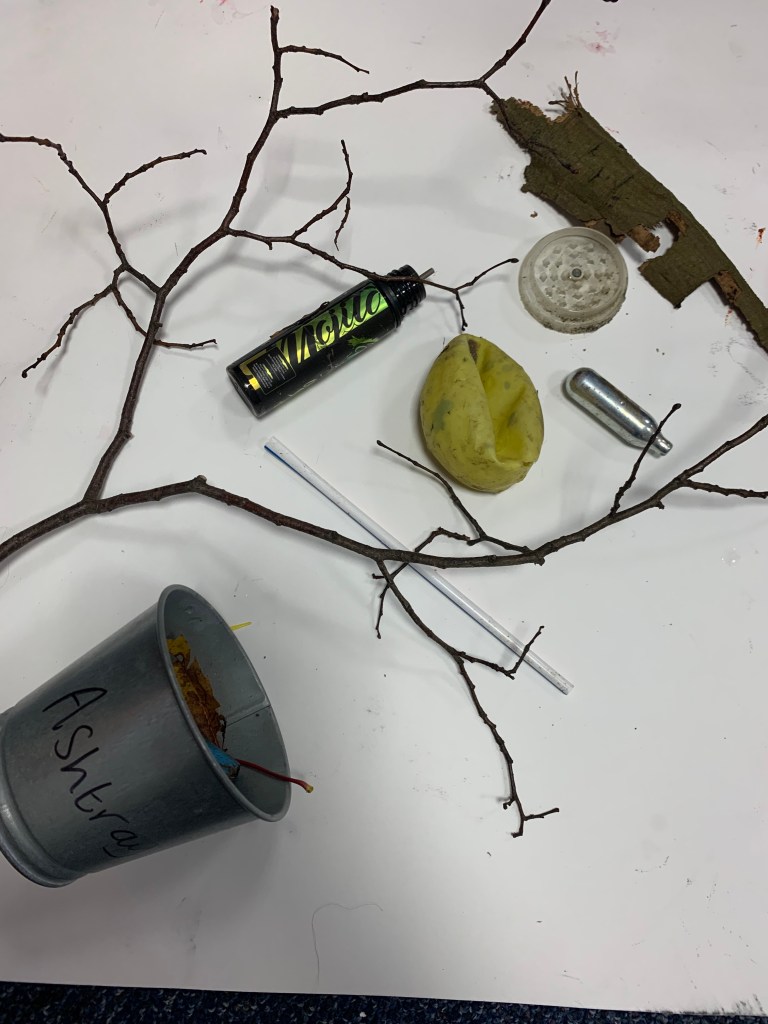
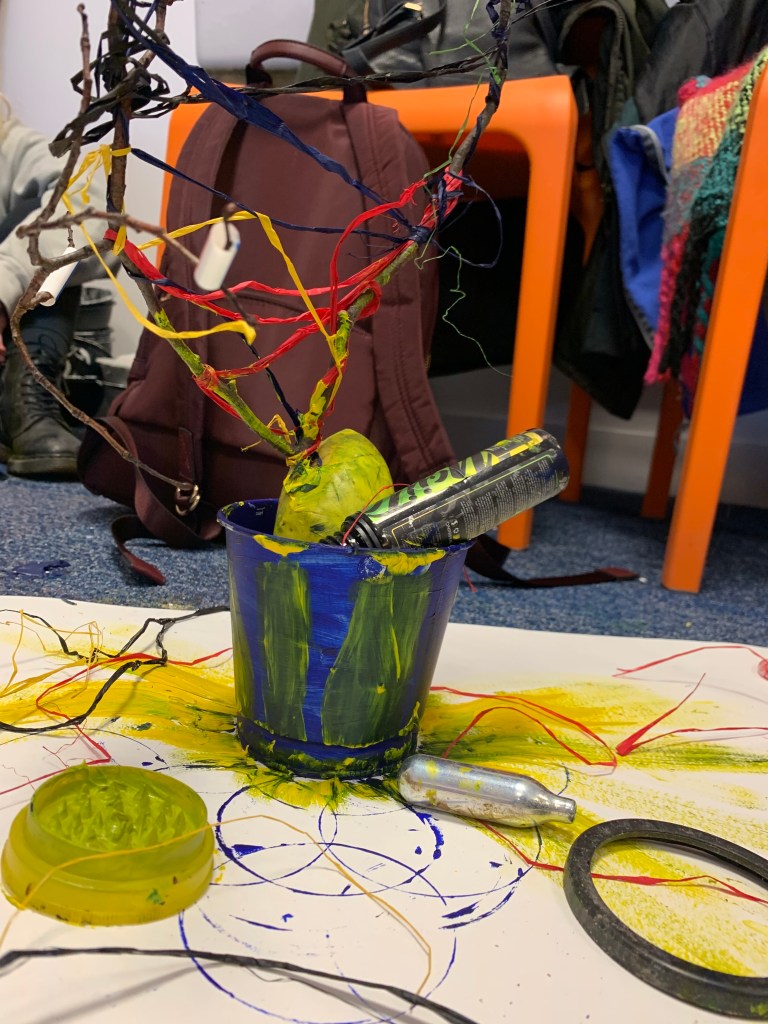
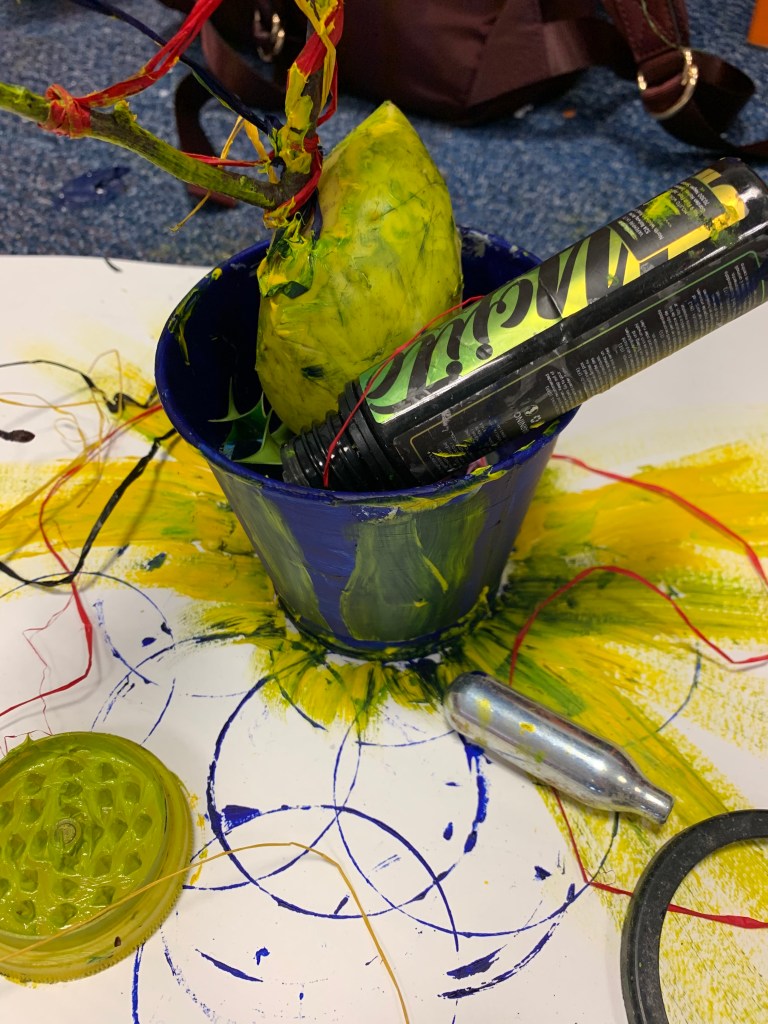
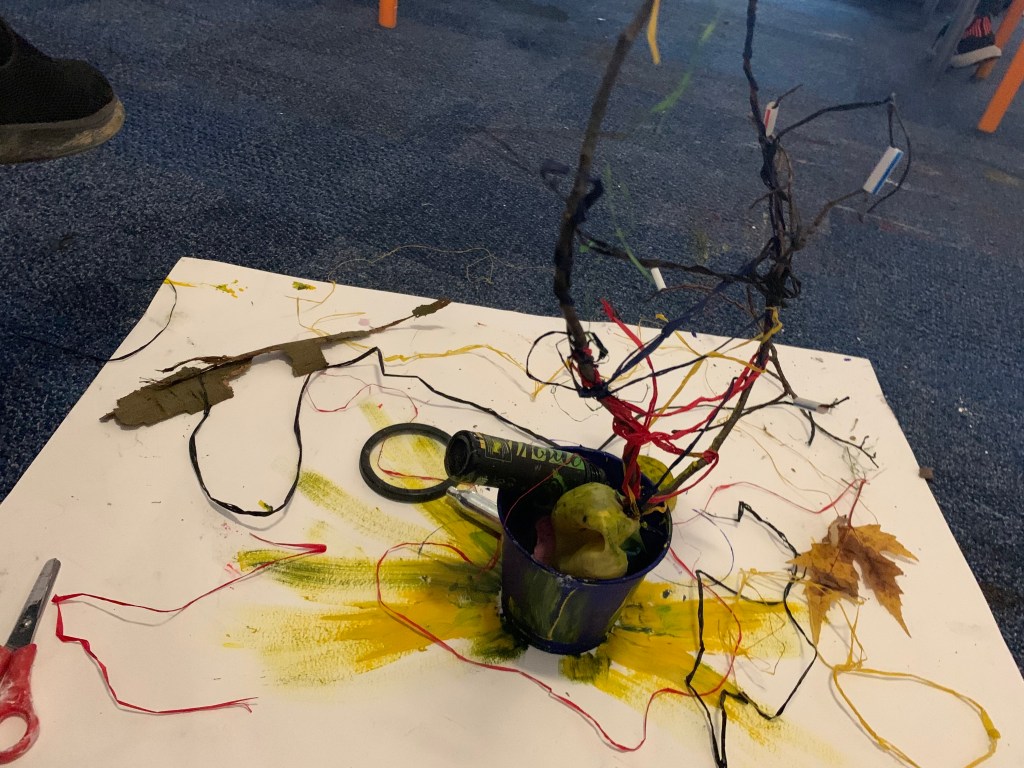
One week we had to go out for a walk and collect items that we felt we had a connection to. I think my awareness to plastic waste, the fires in Australia as well as christmas approaching and the waste created over that time of year must have been playing on my unconscious mind as I came back with an ashtray, a branch some plastic items and some other strange items related to smoking, drugs and alcohol. I put the twig in the ashtray, tied coloured raffier around the branch, stuck a plastic ball through the base of the branch and used yellow paint on the ashtray which looked toxic to give an effect of it running over the sides. I called the piece anti-christmas. I also noticed I drew the flower of life at the on the paper using the base of the ashtray and paint which was also unconscious and I noticed afterwards. The piece looks chaotic and very different to previous weeks. I felt I had a sense of connection to the materials. I also had the thought of the branch being like a lung being restricted. (figure 8)
Anti Christmas figure 8
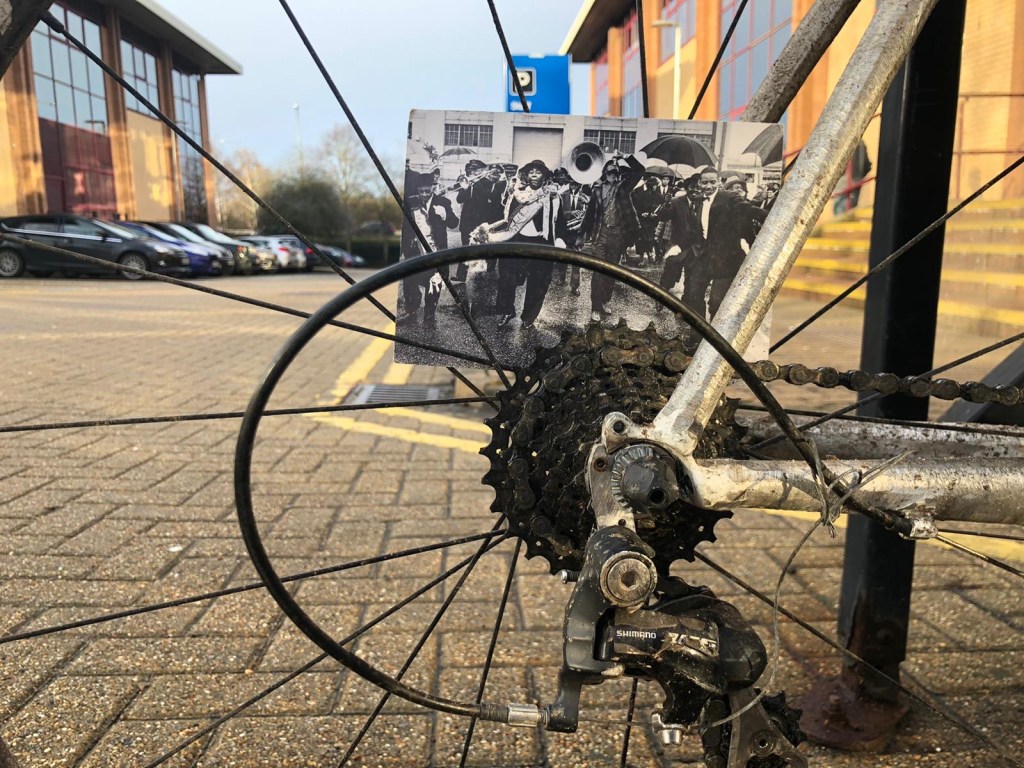
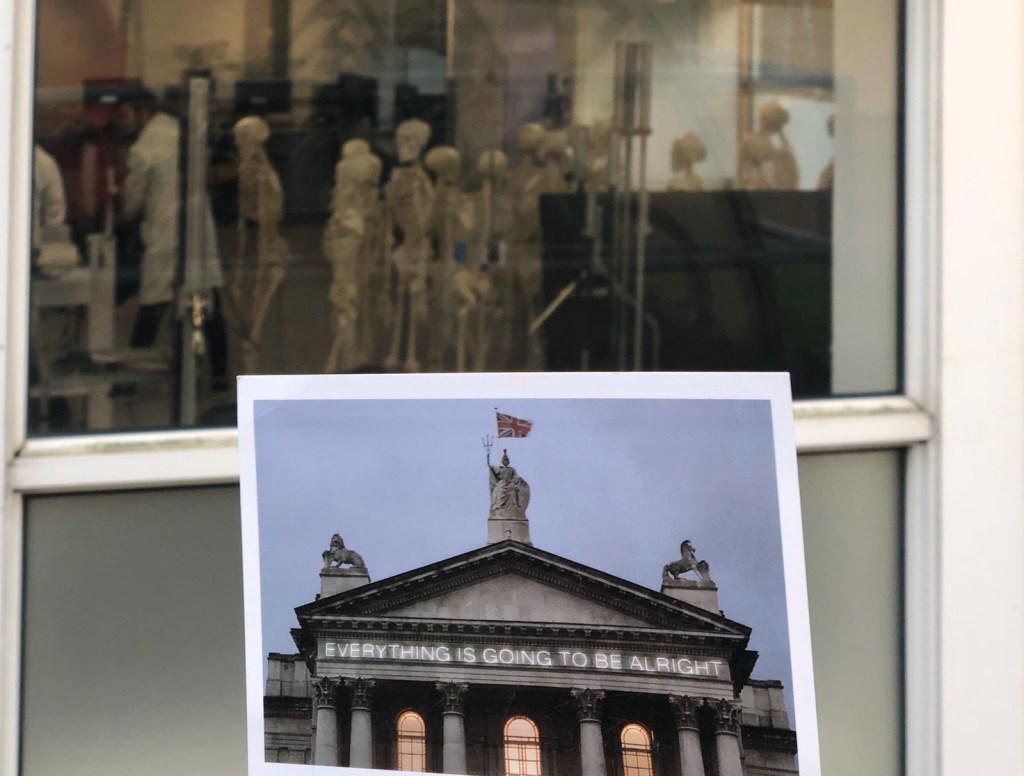
On the last week we were put into groups of three. We were given a few postcards and we were told to go out and put the postcards in new environments to change the picture so that it gave it another meaning. We photographed them and then we had to choose three and displayed them in a slideshow presentation. Being in a group was beneficial as we saw things from different view points (figure 9).
figure 9 postcards photographed in different environments around campus
I have started seeing an art therapist a ten minute walk from where I live just off Green Lanes and up a steep hill. Her house has a calmness about it, quite an eclectic feel, wooden floors and doors and the art work space is on a long white table with good natural light. She has many different materials I can work with including paint, pens, inks, charcoal, pencil and different kinds of paper. My therapist is from France, seems quite intuitive and we have good rappore. The first session we talked about different general topics such as the course, family life and past experiences.
On the second session I started doing the art making. I am drawn to bright colours but also in contrast black and white depending on my mood. I chose black ink to begin with but changed my mind when I saw bright colours. We talked as I produced the piece. It was an intuitive and fluid process. I let my unconscious mind make the piece. I talked about subjects such as the fact it was my birthday the next day and how I thought it looked a bit like fire or fireworks (my birthday is 5th November). I find it is a significant time for me and a time of growth.
I also spoke about the masks people wear in everyday life and in particular my sister as I was drawn to choose pink which is her hair colour. I mentioned her addiction problems and the film The Joker came up (actor Joaquin Phoenix) and how the film had highlighted mental health. In my piece I noticed a bird in flight seemed to emerge out from it and as I carried on talking and painting and we spoke about this also. Looking back on the image a few hours later it reminded me more of a phoenix. I had a journey of self discovery with this piece from somewhere dark to somewhere more optimistic and positive. I would like to explore the idea of having a positive resolution with clients at the end of each session after covering something difficult for them, so that they go away feeling positive.
On exploring the significance of the phoenix further I discovered a link to my star sign the scorpio. “This is the totem where the scorpio becomes aware of his/her mysterical powers of healing”. The phoenix symbolises transformation, ”which burns and rises from its own ashes”. This feels relavent to my role in becoming an art therapist and healer. (figure 1)
figure 1 acrylic ink and watercolour paper
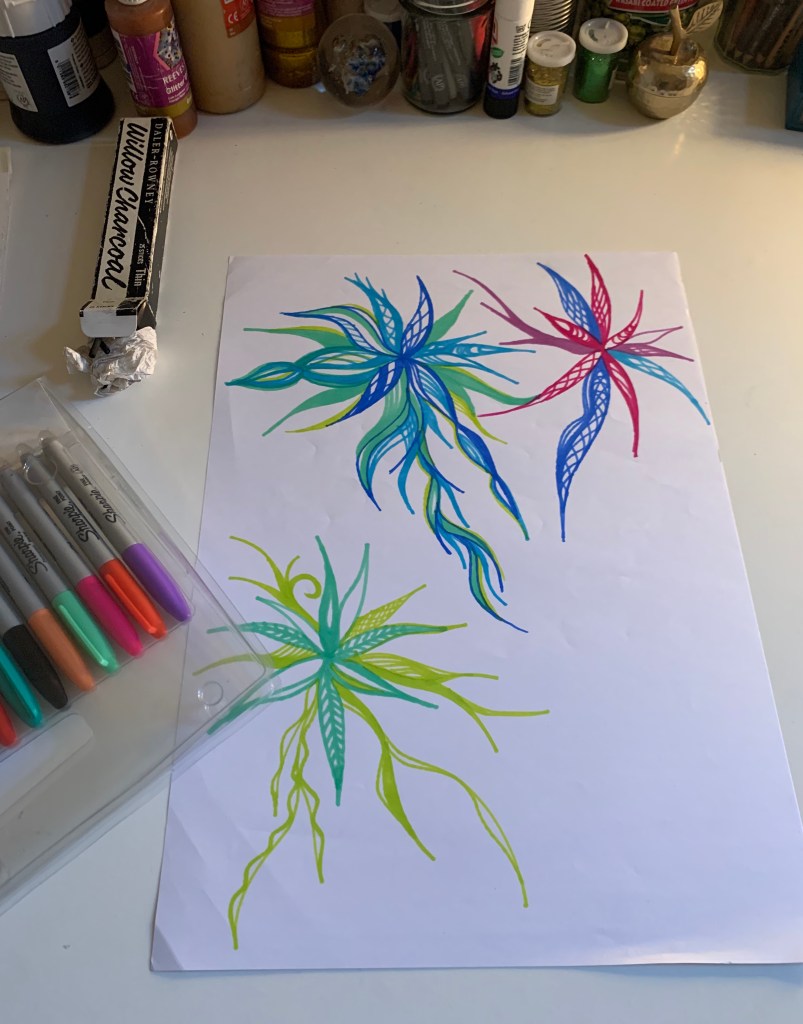
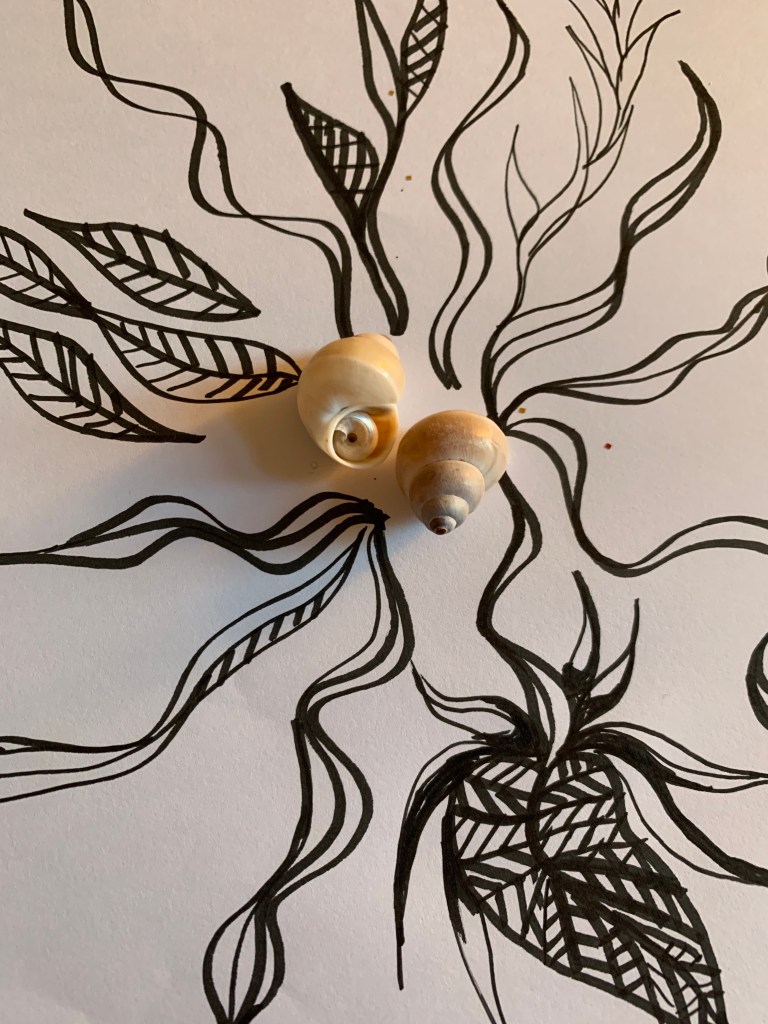
In my next session again I instinctively wanted to use black and then I saw the pens and changed my mind and I used for bright colours instead. I find drawing like this very therapeutic and a way of clearing my mind. It is like an energy release and I always feel better afterwards. I told my therapist that I felt like I was drifting off in different directions. The pieces are sea like plants. They remind me of my mind floating and free. I noticed I chose to do three which is symbolically a significant number for me. I also remember in the session I was talking about having three placements and where I would like them to be. (figure 2)
figure 2 sharpie pens and paper
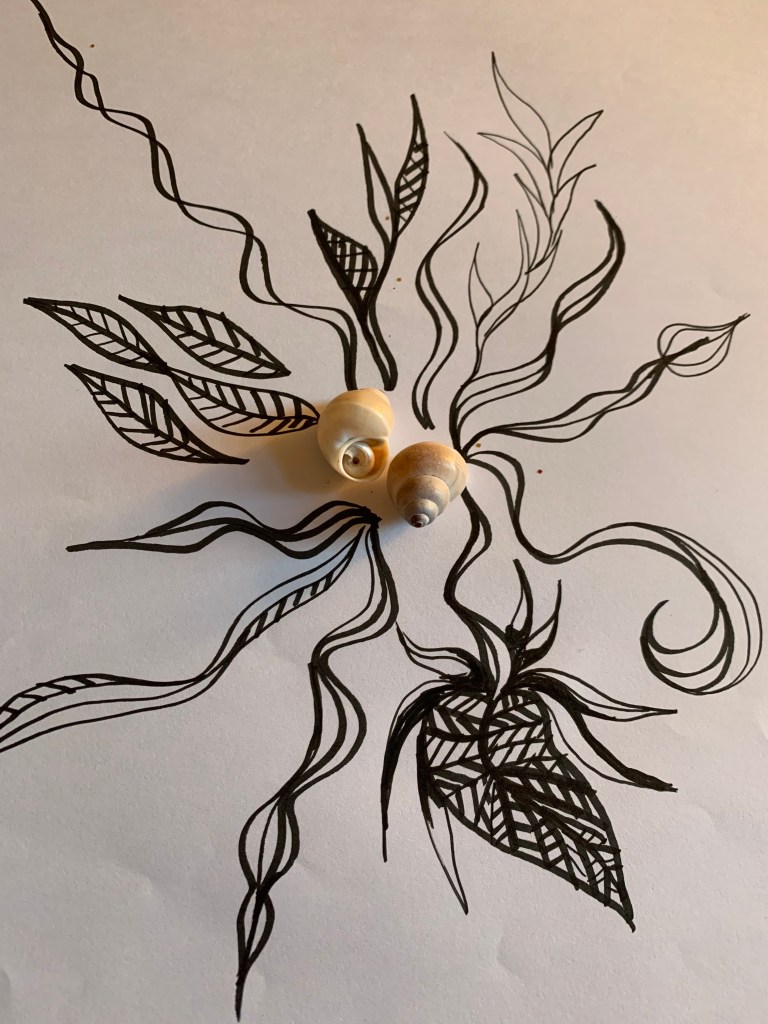
In another session I drew this piece in response to the squirrel and habitat piece. It maybe reprosents me coming out of my shell or the shell being a habitat or central point and then the creativity coming out of it. (figure 3)
Gormley asks the question, “what can art do for us?” His show puts us the viewer as the subject. “The viewer becomes the viewed.”
I went to Antony Gormley’s exhibition a few weeks into the course which gave me some mental head space and clarity when everything was feeling chaotic. I often go to exhibitions to make myself feel better it is a way of self healing or therapy. It helps me to forget about the outside world, be in the moment and to gain a fresh perspective. Gormley said he, ”is interested in how our perceptual engagement with the world has an effect on our bodily sensations”.
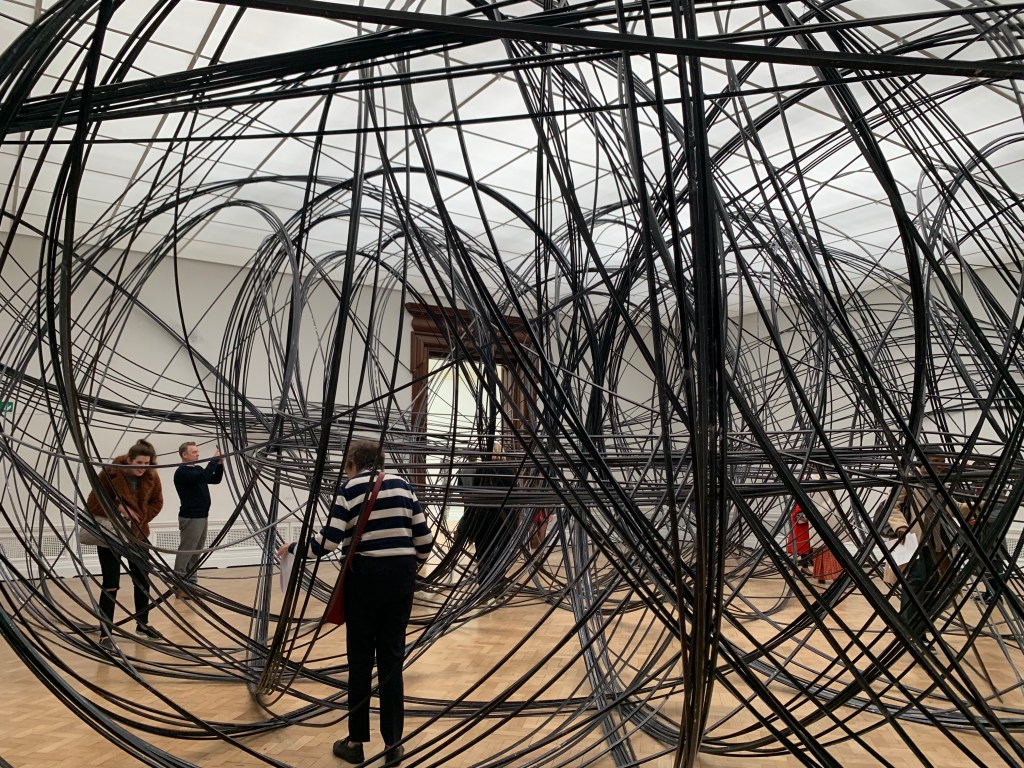
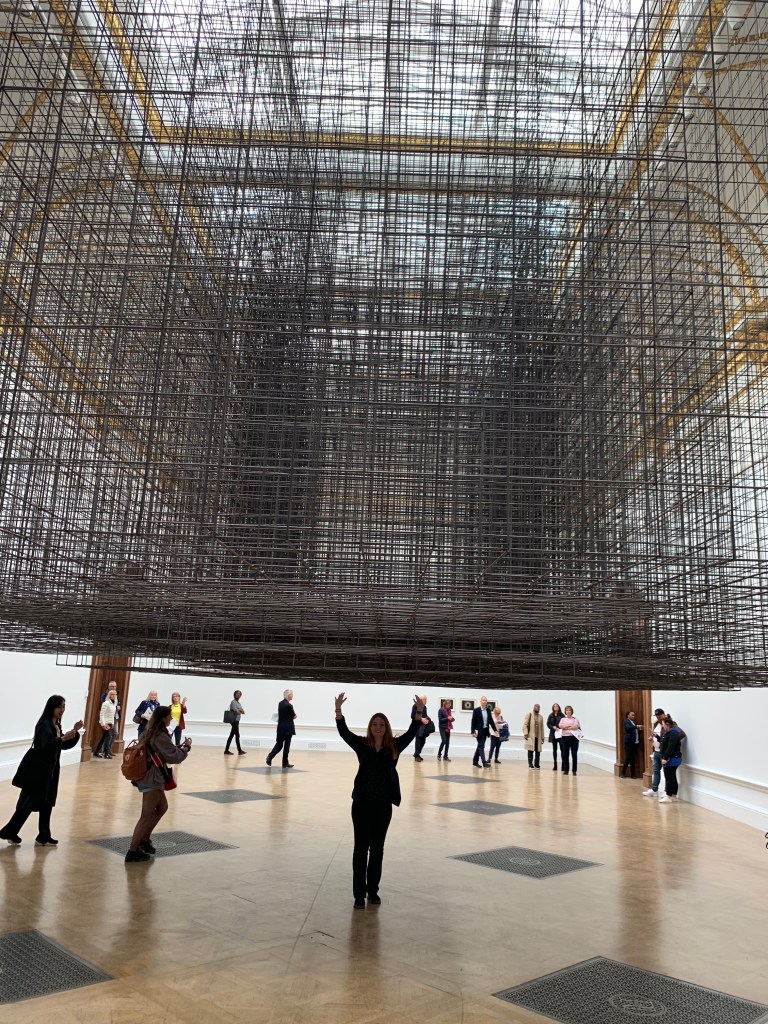
The piece called Clearing (figure 1 and 2) definitely has an effect on my energy levels and I enjoy the engagement element of his work. While exploring the room it felt like I was playing in space and being in one of his drawings brought to life. There was a sense of energy and movement. I heard one old lady say, ”isn’t this such fun”. I did not know the name of the piece until after, it definitely had the intended effect of “clearing”. It brings us back to the present moment like when we were children.
I also recently went to a virtual reality gaming place in East London called Other World which I felt related to Gormley’s Clearing piece . In Other World I got the chance to draw in the 3D virtual world. I enjoy working in both 2D and 3D, drawing in the virtual world was like being in a new dimension and was freeing and containing at the same time.
I saw a report on the BBC news about PTSD and the use of virtual reality for veterans which can help in their recovery. I think this has a lot of potential as a new form of therapy. “It takes away the ability to avoid”, making them, “experience images that they have been subjected to” and “process the emotions that they’re feeling”. It has been tested on 42 patients and two thirds have seen improvements in the condition.
I am interested in Gormley’s connection to nature and spirituality. I have a love for trees and I am interested in the pagon religion, buddhism and other religions which have a strong connection to nature. Gormley has previously spent a lot of time meditating and I find this comes across in his work. “The show is a meditation on reality.” I loved the piece called Red Earth (figure 10 bottom middle). It was a very subtle piece which was the rings of a tree and on closer inspection I realised there was the outline of a man running in the centre. The rings around the man reminded me of rings of energy. We had an art making session with Hayley one of our tutors quite soon after the exhibition on self care, where we made a doll of ourselves and I realised there was a link between my doll and Antony Gormley’s work. I wrapped my doll in rings of energy. I find it interesting the way I am influenced by everything I experience and how it appears in my art work unconsciously.
figure 1 Clearing Antony Gormley Alluminum Wire, Royal Academy of Arts 2019figure 2 Clearing, Antony Gormley, Aluminum wire, Royal Academy of Arts 2019
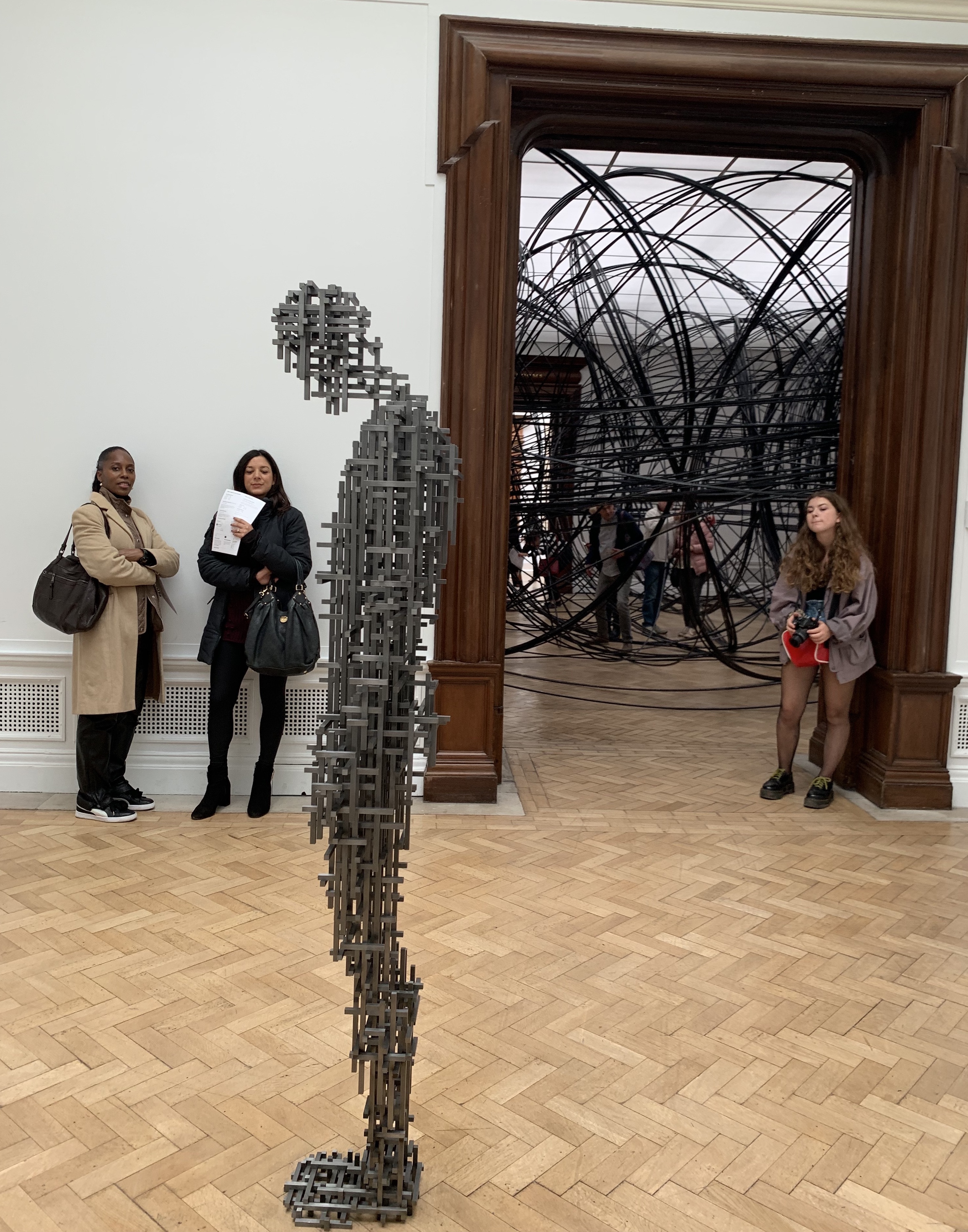
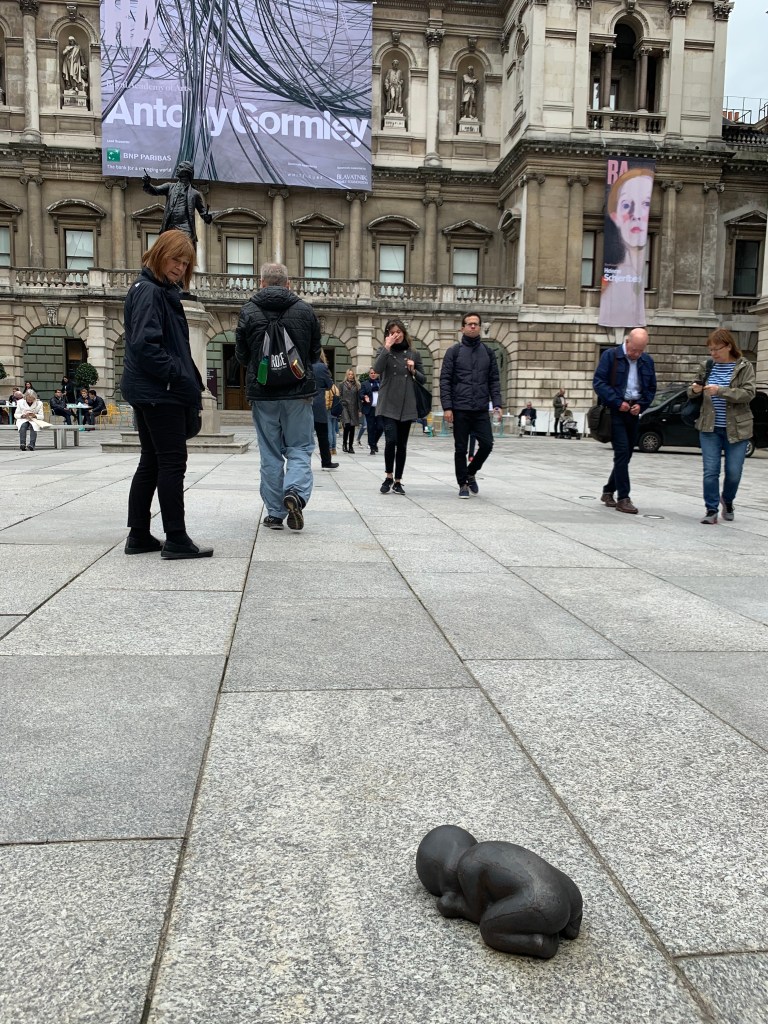
Antony Gormley Exhibition 2019 Royal Academy of Arts 2019 fig 3-11
I love expressing myself through photography. I like to capture a moment in time. I have always had this need to hang onto pieces of time as a way of remembering and communicating visually to others. I like to inspire people through my visual exploration of the world.
Doll art therapy piece mine on the left wrapped in wool fig 12
Start the Week, Antony Gormley: Challenging Conventions, BBC Radio Sounds, 23rd September 2019, 21:30
Front Row, Staging Antony Gormley, BBC Radio 4, Tuesday 24TH September 2019, 19:15
Virtual reality PTSD treatment has ‘big impact’ for veterans. By Tomos Morgan BBC Wales News. 1st October 2019, 3MDR Cardiff Universityhttps://www.bbc.co.uk/news/uk-wales-49880915
Royal Academy of Arts Website and exhibiton (2019) London
The first six weeks has been a big change for me as I have been out of study for a long time. This has been both exciting and overwhelming at times. I started my placement in a primary school from the second week where as most others had not started theirs which I found quite intense, I was set written work from my placement soon after. Starting my placement early gave me a practical insight into art therapy which ran alongside the theory we were learning. It also brought up unsettling memories of being at school although things seem to have changed a lot since. The school is based in East London and is very multicultural. It is a very creative school there is art all around from the children as well as local artists who have been commissioned to come in. The first few weeks I observed the different age groups from nursery up to year 6, followed by observing individual children that I was going to be helping.
drawing I made of the art therapy room in the primary school
The art therapy department which is a charity within the school is very nicely set out and welcoming for the children. There is a tent, dolls house, books, a table and lots of different art materials. It is hidden away from the classrooms and has net curtains so no one can see in and it has a sense of privacy.
The art therapist in the school (my mentor) appears to be a very organised and a strict lady. She gave us a booklet on the first day with rules of what we could and could not say in art therapy sessions from the 1970’s. I found this approach to be a bit restrictive and outdated. I found her hard to relate to as she was so formal. The other student on the placement found the same. She asked us very probing questions. I started to think about transference in this situation and what it was bringing up from the past and why I do not like authority figures.
The importance of play came up on my placement. Our mentor said we should play with the children to build rappore to begin with. I found this interesting and so started exploring this further. I decided to go to the Wellcome Collection exhibition called Play Well, Why Play Matters. There were several areas of interest at the exhibition. I also started reading ‘Playing and Reality’ by D.W. Winnicott.
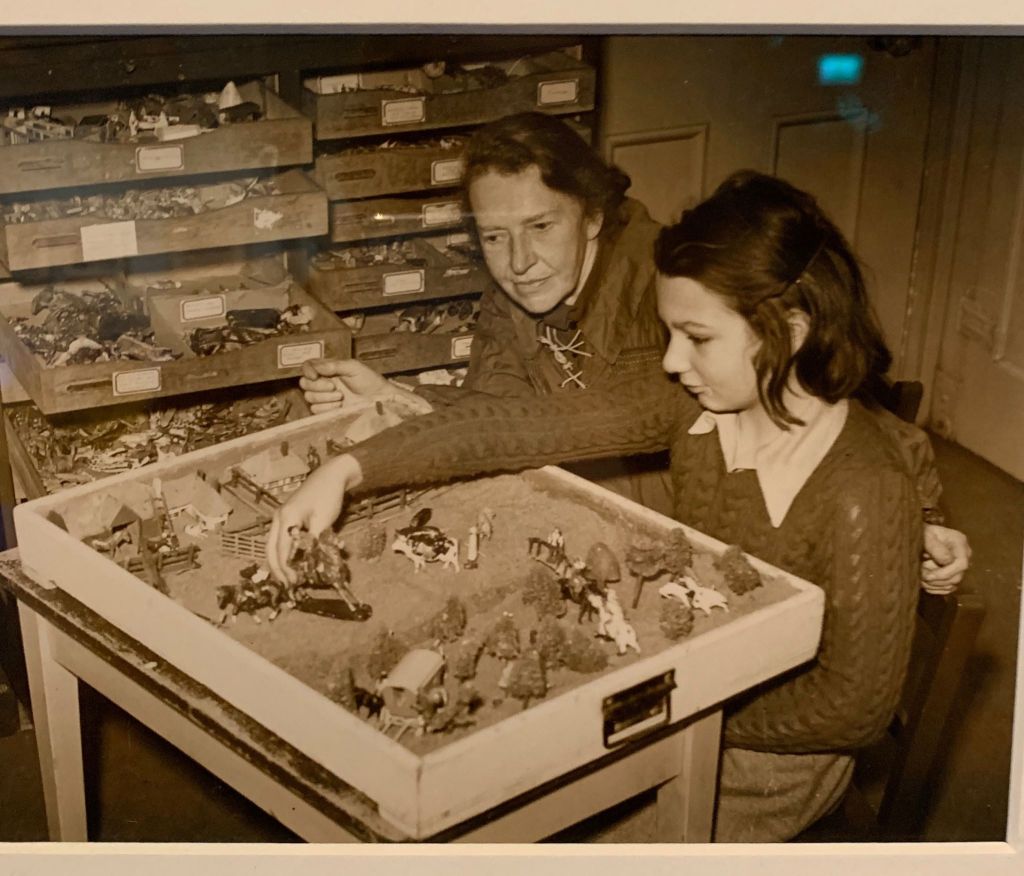
Margaret Lowenfeld founder of the Institute of Child Psychology argued for , “play as a sensory language through which children are better able to express themselves than with words.”
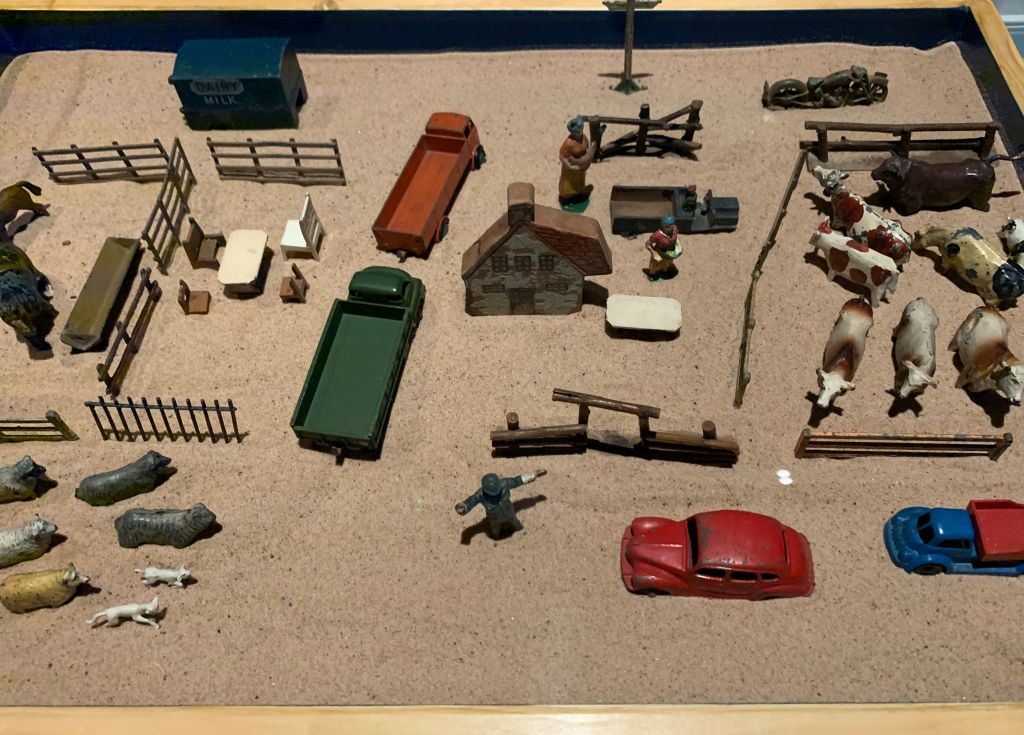
Margaret Lowenfeld working with a child at the Institute of Child Psychology (1950’s) The photo shows the World Technique – a system that Lowenfeld developed during 1920’s when she treated children in Poland. The Wellcome Collection.
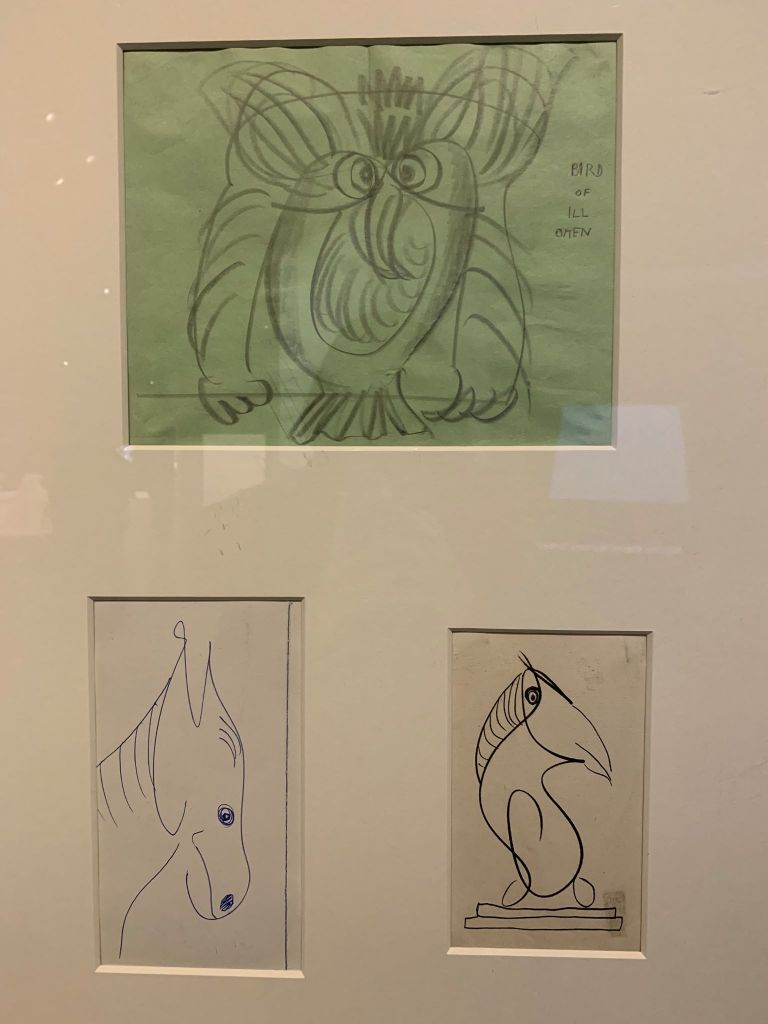
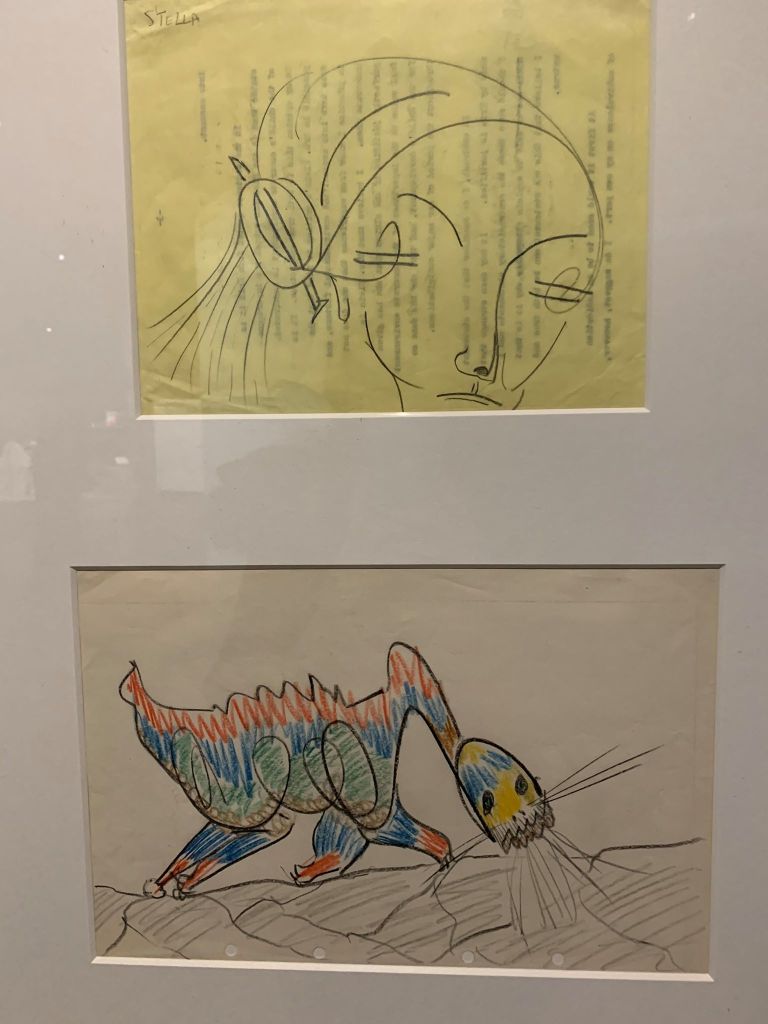
Squiggle Drawings, D.W Winnicott various clients 1950-71
‘A playful man, he used various games to facilitate communication between child and therapist.’
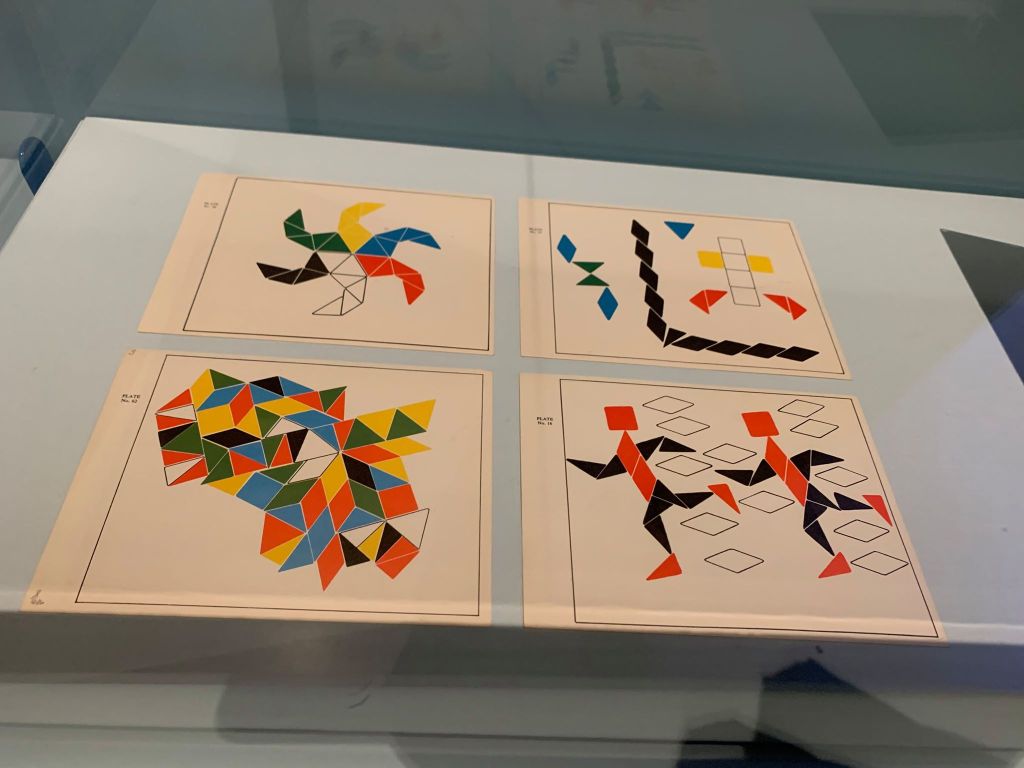
Mosaic created by Adam, age 14 Mosaic set and tray 1930. ‘ Mosaic making is the first technique that the children encounter at the initial assessment in Lowenfeld-based therapy. Adam was experiencing suicidal thoughts. Through discussions with Adam about making this mosaic he was able to articulate the feelings of suffocation he was feeling as the only child of estranged parents. The Wellcome Collection.
The Lowenfeld Mosaic Test Presentation and Illustrations. Margaret Lowenfeld and Ville Anderson 1954. They made studies of childrens mosaics to instruct therapists in how to use them effectively. The Wellcome Collection
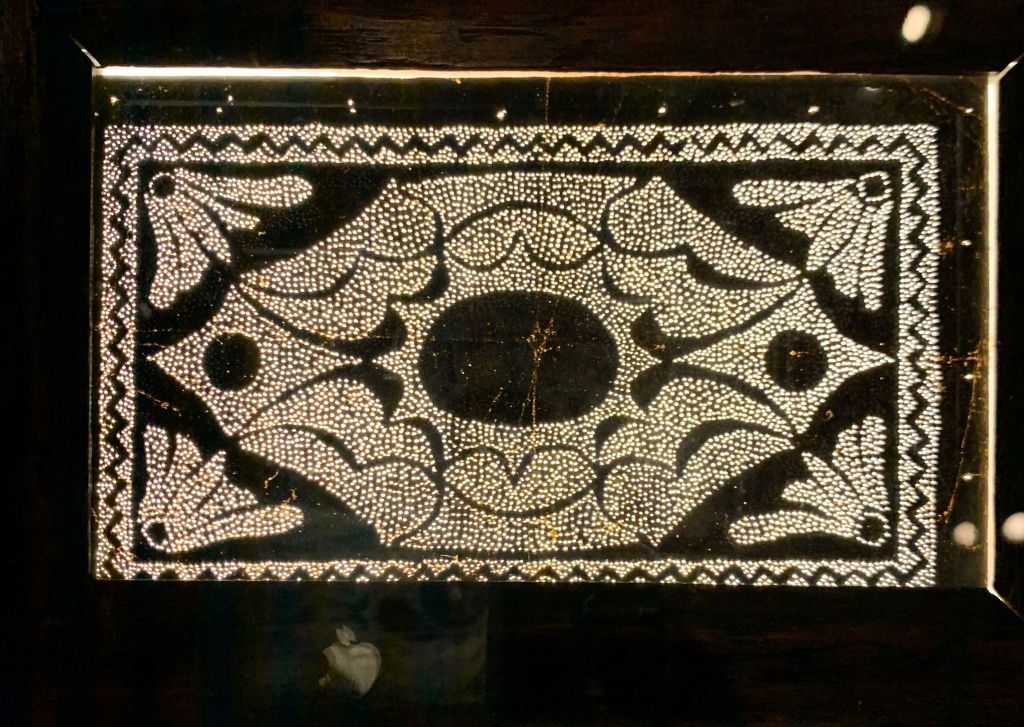
Frobels Gifts – Play was the main focus of all kindergarden activities, which included singing, dancing, storytelling and gardening. Frobel also devised a series of objects that he called the gifts, and a set of guided activities, known as the Occupations. There were twenty different gifts, made of simple materials, each designed as a progression for specific stages of development. Fobels gifts went on to have a lasting impact on 20th century art education and creative practice. The Wellcome Collection
Pinprick example Friedrich Frobel 1824. made using a sharp pencil-like tool used for the perforating paper. It was inspired by observing children’s intuitive activity of making holes in paper. This was in fitting with Frobel’s philosophy of interdependance and unity in nature; that the part always contributes to the whole. Froebel Archive for Childhood Studies; University of Roehampton / The Froebel Trust. The Wellcome Collection
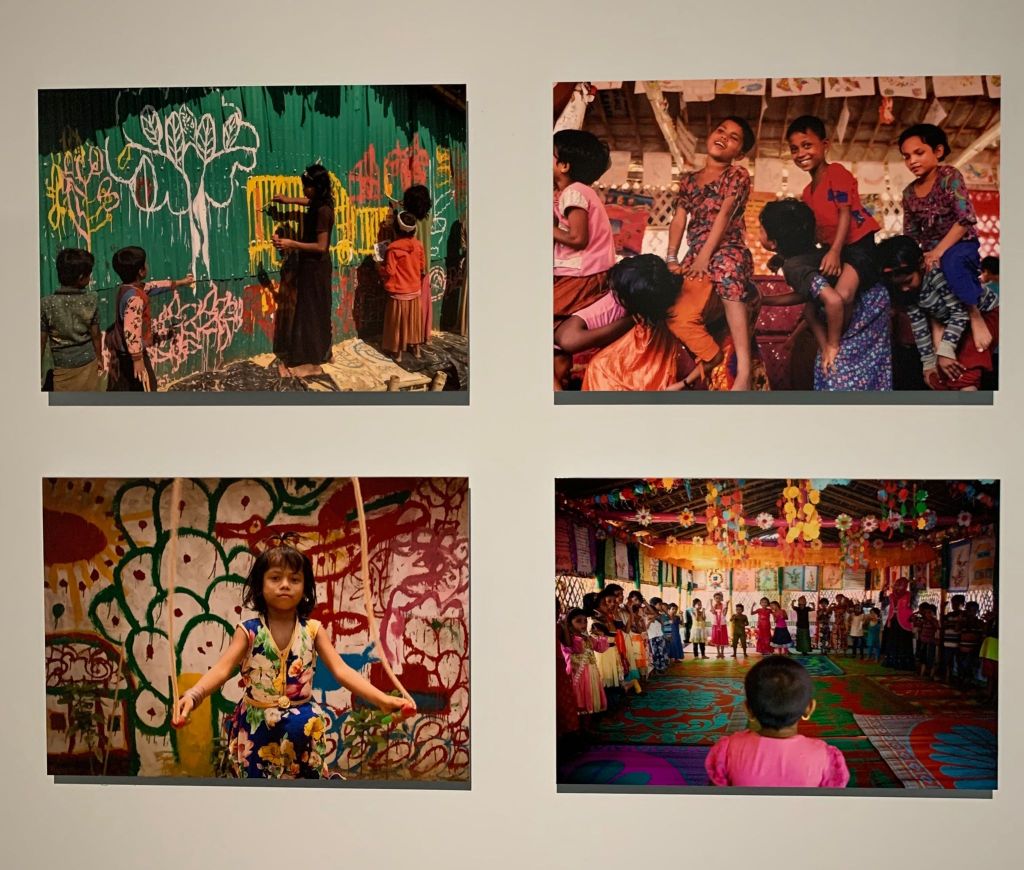
Art for building resilience Kareshma-E-Shams, 2018 Healing through physical play Sheikh Shananuzzaman Angkan 2019 Engaging in joyful play Kamrul Hasan 2018 Chanting kabbya as a part of therapeutic play Sheikh Shananuzzaman Angkan 2019
Children customise interior spaces through paintings, patterns, motifs and stitched works. These reference Rohingya culture and provide a sense of rootedness at a time of displacement.
BRAC Institute of Educational Development. The Wellcome Collection
D.W. Winnicott, Playing and Reality
The Wellcome Collection Exhibition (2019) Play Well, Why Play Matters.






















 MA Art Therapy Blog